
Smart financial moves: Benefits and risks of mortgage refinancing

Key takeaways:
- Refinancing can lower monthly payments and interest rates, but it’s essential to consider associated costs.
- Understanding the various types of refinancing options helps make informed decisions.
- Evaluating personal financial goals and market conditions is crucial before proceeding with refinancing.
Understanding mortgage refinancing
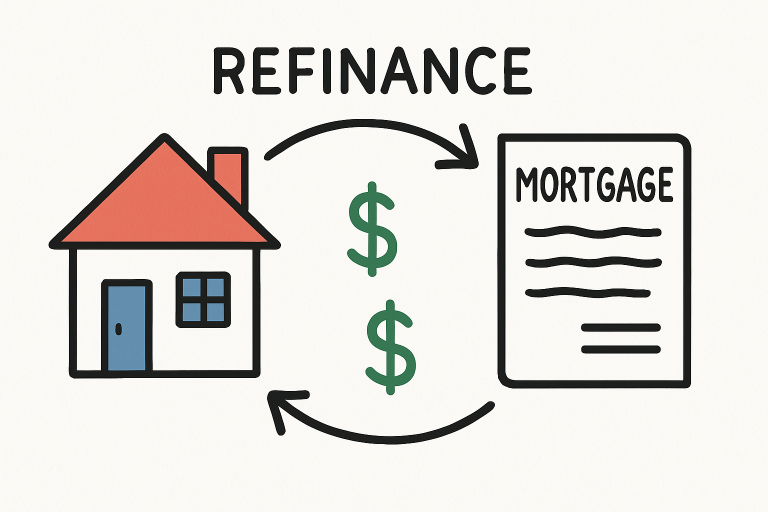
For many homeowners, Mortgage Refinancing represents a strategic way to improve their financial health. Refinancing involves replacing your existing mortgage with a new one, ideally with better terms, to achieve specific financial objectives. Whether you’re looking to reduce your interest rate, lower your monthly payment, or pay off your home faster, assessing the benefits and risks is crucial before making this decision.
At its core, mortgage refinancing can be a valuable tool if handled wisely. The process enables borrowers to modify the terms of their original mortgage, often in response to changing interest rates, personal financial circumstances, or shifts in the real estate market. By taking this approach, homeowners typically aim to enhance their financial stability or free up funds for other purposes. However, refinancing requires a thorough evaluation to ensure that the long-term benefits outweigh any immediate or hidden costs.
With the ability to renegotiate loan terms or borrow against increased home equity, refinancing can provide significant financial relief or necessary liquidity. It’s essential to carefully weigh these opportunities against the fees and timing risks associated with obtaining a new mortgage. For many, refinancing is a way to align their mortgage with new financial goals, unlock home equity, or address significant life changes.
Benefits of refinancing
There are several compelling reasons homeowners pursue refinancing:
- Lower Interest Rates: Securing a lower interest rate is often the primary motivation for refinancing. A modest decrease in your rate can translate into substantial savings over the life of your mortgage. According to financial experts, a 1.5% reduction on a $300,000 loan could lower your monthly payment by about $300 and save you tens of thousands of dollars in interest payments—a potential windfall for any homeowner.
- Shorter Loan Terms: Replacing a 30-year mortgage with a 15- or 20-year term can help you build equity faster and pay less interest overall. Homeowners who are comfortable with a higher monthly payment often use this strategy to accelerate their debt freedom.
- Access to Home Equity: Through a cash-out refinance, you can convert a portion of your home equity into cash. This money can be used for home renovations, consolidating higher-interest debt, or covering significant expenses without resorting to credit cards or personal loans.
Potential risks and costs
While the advantages of refinancing are attractive, you must also be aware of the potential pitfalls:
- Closing Costs: Refinancing is not a free process. Typical expenses include loan origination fees, inspection and appraisal costs, title insurance, and legal fees. It can take years to recover these costs through lower payments and savings, so calculate your break-even point before proceeding.
- Longer Loan Terms: Extending your loan over a longer period may decrease your monthly payments, but it often results in more interest being paid in total. This is a particular risk if you reset your loan to its original term, even with a lower rate.
- Prepayment Penalties: Some mortgages include penalties for paying off the loan before its scheduled end. Review your contract to ensure that refinancing won’t trigger costly fees that could erode your potential savings.
Types of refinancing options
Matching the right refinancing product to your situation can maximize your benefits. The most common refinancing options include:
- Rate-and-Term Refinance: Adjusts your interest rate, the loan term, or both. This is the most popular option for reducing payments or shortening the time it takes to pay off your mortgage. It is suitable for homeowners who don’t need to tap into their equity but want better terms.
- Cash-Out Refinance: Allows you to borrow more than you owe and pocket the difference as cash, turning home equity into liquidity for significant purchases, renovations, or other needs.
- Cash-In Refinance: In this less common scenario, you pay down a portion of your principal at closing. This can help you qualify for a lower interest rate, avoid private mortgage insurance, or secure better loan terms.
Evaluating your financial situation
It is critical to assess your readiness to refinance honestly. Lenders will evaluate:
- Credit Score: A higher score typically translates to better interest rates and broader loan options. Consider improving your credit profile before starting the process for optimal results.
- Home Equity: Having more equity may unlock more favorable terms, lower your interest rate, or enable you to borrow extra cash through a cash-out refinance.
- Debt-to-Income Ratio: Your monthly debt obligations in relation to your income affect loan eligibility. Lenders use this metric to gauge whether you can comfortably handle your new mortgage payment.
Market conditions and timing
Interest rates fluctuate in response to market conditions and the broader economic climate. For example, a rate cut by the Federal Reserve, as witnessed in September 2025, typically triggers a surge in refinancing activity as borrowers rush to secure lower rates before they rise again. Monitoring trends, such as those detailed by CNBC, can help you time your refinancing for maximum savings.
Is refinancing the right move for you?
Mortgage refinancing can be a powerful financial tool when used judiciously. While the immediate advantages of lower payments or accessing home equity are appealing, the process also carries significant costs and risks that require careful consideration.
By evaluating your personal financial situation, understanding your options, and staying informed about market dynamics, you can determine whether refinancing is the right move for you and your unique circumstances.


