
How technology is shaping modern freight management

Key takeaways
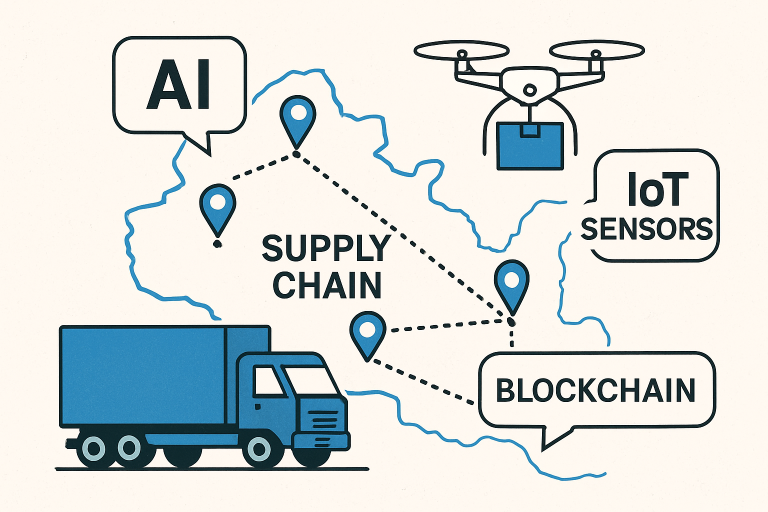
- Artificial Intelligence (AI) and Machine Learning (ML) are revolutionizing route optimization and predictive analytics in freight management.
- Internet of Things (IoT) devices provide real-time tracking and monitoring, enhancing supply chain visibility.
- Blockchain technology ensures secure and transparent transactions across the logistics network.
- Autonomous vehicles and drones are emerging as viable solutions for efficient and cost-effective deliveries.
- Digital platforms and cloud-based systems streamline operations and improve communication among stakeholders.
Modern freight management is evolving rapidly as technology transforms how goods are transported, tracked, and delivered. Advanced software solutions, real-time tracking systems, and data analytics are helping logistics companies optimize routes, reduce fuel consumption, and improve delivery reliability. Automation tools are streamlining warehouse operations and inventory management, while AI-driven forecasts allow for better planning during peak seasons. These innovations collectively enhance efficiency and reduce operational costs, benefiting both service providers and customers.
One notable example of technology integration in logistics is LoadPilot, which helps coordinate shipments and optimize load planning. By providing a centralized platform for scheduling, tracking, and communication, it helps freight managers make informed decisions and respond quickly to changes. As the industry continues to adopt digital tools, solutions like LoadPilot demonstrate how modern freight operations can become more agile, data-driven, and sustainable without compromising service quality.
Artificial intelligence and machine learning
Artificial Intelligence (AI) and Machine Learning (ML) play a crucial role in modern freight operations. Advanced algorithms analyze large amounts of data to improve route planning, inventory management, and supply chain forecasting. By assessing factors such as traffic, weather, and shipping status, AI can develop optimal delivery sequences and reduce potential delays. Machine learning further enhances these processes, leading to increased reliability, cost-effectiveness, and faster delivery times.
Moreover, predictive analytics allows organizations to anticipate changes in demand by analyzing historical freight patterns. Freight broker software centralizes shipment coordination, tracking, and communication, which helps manage these insights effectively. This results in more efficient operations and reduced waste, benefiting both customers and freight operators while making modern freight management more agile and data-driven.
Internet of things (IoT) and real-time tracking
IoT sensors and devices have redefined visibility across the logistics industry. Smart sensors now report a wealth of real-time data, including geographic location, temperature, vibration, and even humidity levels, helping ensure shipments remain safe and reliable during transit. These capabilities enable managers and clients to track goods at every step and respond instantly to any issues, thereby minimizing damage, spoilage, or loss.
IoT-based shipment monitoring goes beyond tracking alone. Connected devices make it easier to detect bottlenecks, dispatch replacement vehicles if delays occur, or modify transit conditions to protect sensitive goods. This added transparency, together with real-time reporting, supports more efficient decision-making among carriers, brokers, and shippers.
Blockchain for secure transactions
Blockchain technology is making waves in freight management by providing unmatched security and transparency. This technology creates a secure, tamper-proof record of each step in the shipping journey, ensuring that all transactions are transparent and verifiable. By utilizing this distributed ledger, the risk of fraud, unauthorized changes, or documentation errors is greatly reduced.
As all supply chain stakeholders have access to synchronized, immutable records, disputes are resolved more swiftly, and trust between trading partners is enhanced. The introduction of blockchain is streamlining not only payments and paperwork but also compliance with regulatory requirements for international trade and transportation.
Autonomous vehicles and drones
Recent years have seen the rapid emergence of autonomous vehicles and drones for the logistics sector. Companies are piloting self-driving trucks over long stretches of highways, enabling deliveries around the clock. This continuous operation means faster delivery times, lower labor costs, and improved road safety, as vehicles are not subject to driver fatigue. Drones are becoming valuable assets for last-mile deliveries, especially in rural or hard-to-reach areas, enabling cost-effective, efficient order fulfillment.
These revolutionary transport modes are expected to supplement traditional trucking and delivery by alleviating congestion on routes and reducing environmental impact. Though mass deployment is still on the horizon, early demonstrations are promising for the future of streamlined, sustainable goods movement.
Digital platforms and cloud-based systems
Digital transformation is incomplete without robust cloud-based systems and digital platforms that connect every player in the supply chain. Cloud software delivers scalable solutions, enabling companies to access crucial information on demand, streamline workflows, and adapt quickly to shifting market requirements. These systems empower all supply chain partners to collaborate better, reducing friction, manual paperwork, and communication barriers.
Additionally, digital platforms enhance transparency for shippers, carriers, and brokers. They enable unified access to real-time data, historic logs, and analytics dashboards, equipping decision-makers with the insights needed for timely responses and performance optimization. Businesses can therefore stay agile and customer-focused in an ever-changing global market.
The future of freight management
The ongoing technological revolution is fundamentally altering how freight is managed and delivered. By embracing innovative solutions like AI-driven analytics, IoT-enabled tracking, blockchain-secured transactions, autonomous transport, and advanced cloud-based tools, logistics providers gain a decisive advantage in operational efficiency and customer service. The future of freight management will be defined by those who adapt to these new digital landscapes, ensuring resilience, transparency, and sustainable growth.


