DoorDash vs Uber Eats vs GrubHub 2026

Choosing the right food delivery app to drive for in 2026 is no small decision for gig workers. Each platform offers unique benefits and challenges, making it crucial for drivers to weigh factors such as pay structure and app usability. With DoorDash, Uber Eats, and Grubhub dominating the market, new drivers must carefully assess which company aligns best with their goals.
From understanding the flexibility offered by each app to gauging their market presence, selecting the right platform can greatly influence a driver’s earnings and job satisfaction. In this article, we delve into what new drivers should consider when signing up for a food delivery service. The DoorDash vs Uber Eats comparison is crucial for informed decision-making.
Comparing DoorDash, Uber Eats, and Grubhub in 2026: A delivery showdown
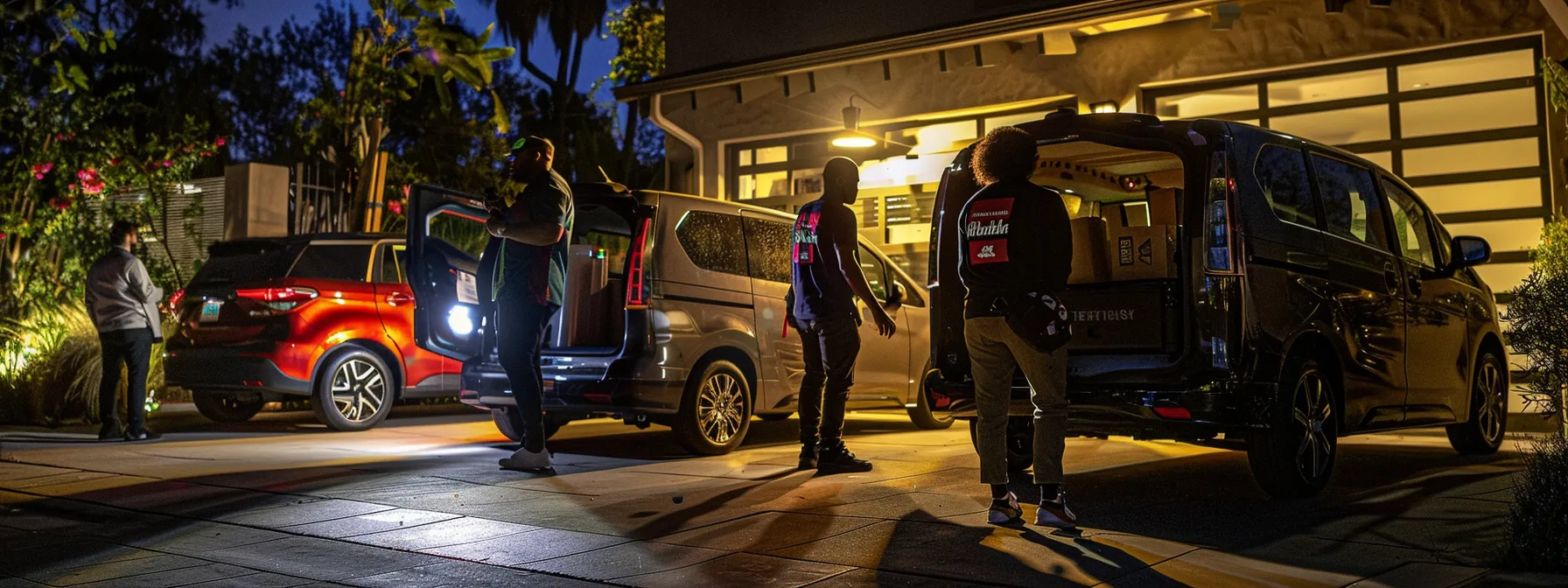
The landscape of food delivery apps is a competitive one, with each company vying for driver loyalty through various incentives and pay structures. DoorDash, Uber Eats, and Grubhub each offer distinct advantages, whether it’s a higher base pay per delivery, bonuses for completing a certain number of trips, or tips policy.
DoorDash, for example, may provide drivers with more consistent delivery opportunities due to its expansive network and high demand. Conversely, Uber Eats might attract drivers with its wider service range, including both food delivery and rideshare options. Grubhub often competes by highlighting no-fee instant cashouts and high visibility in user-friendly markets.
For new drivers, it’s recommended to use resources such as ShiftTracker’s comparison guide to break down each app’s pay structure. This way, they can make well-informed decisions based on potential earnings and personal preferences.
Analyzing market share and growth trajectories of top food delivery services
Understanding the market share and growth potential of DoorDash, Uber Eats, and Grubhub is crucial for drivers. Market share can indicate the volume of orders available, while growth trajectories hint at future opportunities. A larger market share often correlates with more consistent work for drivers, but emerging markets can offer incentives for early adopters.
As of 2026, DoorDash continues to lead in some cities, while Uber Eats sees substantial growth in international markets, making it an attractive option for drivers in those areas. Meanwhile, Grubhub’s strategic partnerships have positioned it as a strong contender in certain regional demographics. Market share statistics provide a snapshot of where each app stands.
Drivers are advised to study their local market before deciding which platform to side with. They should consider where their services would be in most demand and which company is actively seeking to increase their presence in that area.
User experience and interface innovations: How each platform stands out
The user experience and interface provided by food delivery apps can play a significant role in a driver’s efficiency and satisfaction. Apps designed with intuitive navigation and order management make the delivery process smoother and can reduce the stress on drivers.
In 2026, DoorDash and Uber Eats have both rolled out interface improvements aimed at making life easier for drivers, including features like advanced route optimization and more transparent earnings projections. Grubhub, not to be outdone, has introduced voice-activated commands within their app, accommodating drivers who prefer hands-free operation while navigating.
New drivers should explore each app, perhaps even conducting a few trial deliveries with each service, to identify which interface feels most intuitive and aligns with their personal workflow preferences. In-depth reviews of app functionalities can also aid in this comparison.
Assessing the impact of pricing, fees, and loyalty programs on consumer choice

When choosing a delivery platform, drivers need to consider how pricing strategies and fees impact consumer choices—this, in turn, affects order volume and tip sizes. Many customers gravitate towards services with lower delivery fees or dynamic pricing models that offer discounts during non-peak times.
DoorDash’s DashPass subscription, Uber Eats’ Eats Pass, and Grubhub’s loyalty rewards can influence consumer behavior, potentially leading to more frequent orders and larger tips. These programs incentivize repeat customers, directly impacting the income potential for drivers on those platforms.
Drivers should investigate not just how much they’ll earn per delivery, but also which company’s pricing and loyalty strategies are likely to draw in a larger, more repeat-customer base. The popularity of these programs can be an essential factor in a driver’s decision-making process.
Overall, the choice between DoorDash, Uber Eats, and Grubhub rests on a combination of personal preferences, pay structure, market trends, and user experience. By examining the factors discussed above and utilizing tools like ShiftTracker’s comparison guide, new drivers can make an informed decision that best suits their financial goals and lifestyle needs.