
Best tips for choosing a new car

Key takeaways
- Assess your financial situation and set a realistic budget.
- Prioritize safety features and fuel efficiency.
- Research and compare different models and dealerships.
- Consider the timing of your purchase to maximize savings.
- Be aware of common pitfalls to avoid during the buying process.
Shopping for a new car can be an exciting milestone, but it also comes with plenty of decisions that can feel overwhelming. The best way to approach buying a new car is to plan carefully, think critically about your needs, and arm yourself with reliable information. By considering factors such as budget, safety, and timing, you can make sure you walk away with a vehicle that fits both your lifestyle and your wallet. If you’re starting your search locally, a trusted Jeep dealer Orlando may offer helpful options and advice to guide your purchase journey.
Car buyers today have access to more information than ever before, and that makes it important to research thoroughly before setting foot in a dealership. With dozens of brands and hundreds of models, sorting through your options can seem complex, but if you prioritize your needs and preferences from the beginning, you’ll save time and avoid frustration. Matching your wish list to what’s available, whether you prioritize eco-friendly driving, premium features, or affordability, can help you focus on models likely to suit you best.
Understanding the difference between wants and needs is key. Make a checklist that covers your primary requirements, such as seating capacity, storage space, or vehicle type, and be realistic about your daily driving environment. Urban commuters, for instance, may value fuel efficiency and size, while families may prioritize safety and spacious interiors.
Budgeting wisely
Setting a clear budget is essential before entering the car market. Factor in the purchase price, but don’t overlook long-term costs such as insurance, registration, maintenance, and fuel. Sticking to a realistic budget helps narrow your search and prevents you from being swayed by add-ons or premium packages outside your range.
Prioritizing safety features
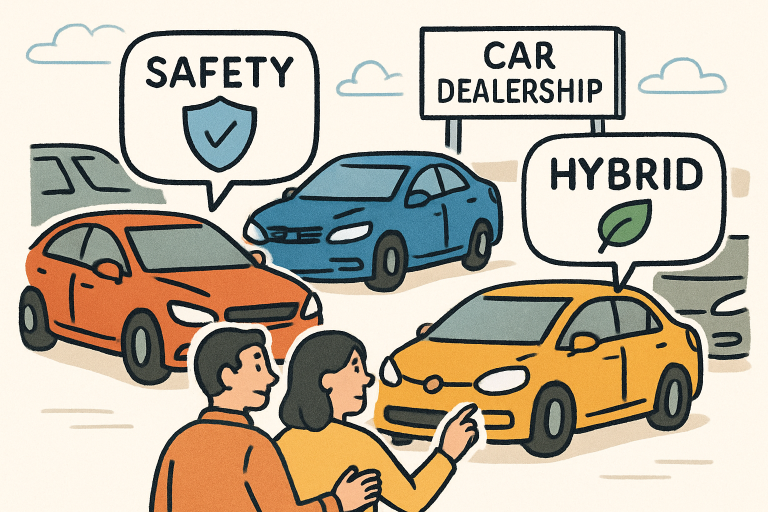
When choosing a new car, safety should be at the top of your checklist. At a CDJR dealership in Orlando, you can explore models equipped with up-to-date safety technologies, including adaptive cruise control, forward collision warning, lane-keeping assistance, and automatic emergency braking. These features can help reduce your risk of accidents and may also result in insurance savings.
Evaluating fuel efficiency
Fuel costs can add up quickly, especially for daily drivers or those with long commutes. To save money over the life of your vehicle, compare the miles per gallon (MPG) for different models. Hybrid and electric vehicles are worth considering for those seeking maximum efficiency and lower emissions. The U.S. Department of Energy’s Fuel Economy website is an invaluable tool for checking the fuel ratings and environmental impact of various models.
Researching and comparing models
The best way to narrow down your options is to read expert reviews and owner feedback. In-depth resources such as Consumer Reports offer comprehensive reliability and satisfaction ratings, helping you spot patterns or issues common to certain brands or models. Make a shortlist, then compare features, warranties, and costs to identify the best fit.
Timing your purchase
The time of year when you buy a car can greatly influence the deal you receive. Experts suggest shopping near the end of the calendar year or the close of a sales quarter, since dealerships often offer steeper discounts to hit their sales quotas. December in particular is considered one of the best months to secure extra incentives and promotions.
Avoiding common mistakes
It’s easy to become overwhelmed or make impulsive choices during the car-buying process. Avoid common mistakes by doing thorough research, resisting pressure tactics from sales staff, and knowing the total cost of ownership. Take your time reading the fine print, and don’t be afraid to walk away if the deal doesn’t feel right or if hidden fees start to appear.
Understanding financing options
Exploring all your financing options is just as important as choosing the right car. Get pre-approved from a bank or credit union to strengthen your negotiating power and prevent last-minute surprises. Compare interest rates and review loan terms carefully; low monthly payments can often mean longer loan terms and more total interest paid.
Test driving and inspections
Never skip the test drive, even if you’re confident about a certain make or model. The in-person experience can reveal issues such as blind spots, handling comfort, or noise levels that are not obvious on paper. Take your time behind the wheel and ask questions about anything that feels unfamiliar. For used cars, arranging an independent inspection from a certified mechanic can reveal potential problems and help protect your investment.
Greatly increase your chances of a successful purchase
The process of buying a new car involves multiple steps and careful comparison, but following a systematic approach will help ensure you make a choice you will feel good about for years to come. By staying informed, setting clear priorities, and seeking advice from trusted local experts and unbiased resources, you’ll greatly increase your chances of a successful purchase.


