
Are veneers bad and cause tooth decay?
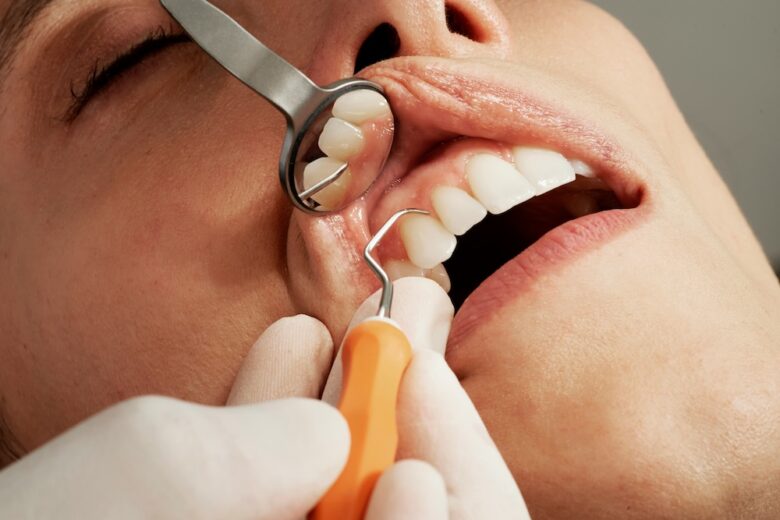
Veneers are not inherently bad for your teeth and do not directly cause tooth decay. The procedure is a safe cosmetic enhancement, but it requires the permanent removal of a small amount of natural enamel.
For individuals exploring cosmetic upgrades like Veneers in San Diego CA, reputable clinics such as Soft Touch Dental emphasize that while the porcelain is immune to decay, the natural tooth structure underneath and around the veneer can still develop cavities if daily oral hygiene is neglected. With proper care, a high-quality veneer protects the tooth and generally lasts 10 to 20 years.
Are veneers bad for your teeth?
Veneers are a widely used cosmetic procedure, but they represent an irreversible commitment because they permanently alter the natural structure of your teeth. To ensure a smooth, natural-looking fit without protruding, a cosmetic dentist must shave away about half a millimeter of your natural tooth enamel before applying the veneer.
Because this enamel does not grow back, the treated tooth will always require some form of coverage. However, this preparation process does not inherently compromise the integrity of a healthy tooth or increase its likelihood of decaying on its own.
Do veneers rot your teeth?
Porcelain veneers do not rot, but the underlying natural tooth remains susceptible to cavities if oral hygiene is poor or if the veneer is improperly applied.
- Partial Coverage: A veneer only covers the front surface of the tooth. The back, sides, and the areas between the teeth remain fully exposed to plaque, tartar, and normal tooth decay.
- Bacterial Traps at the Margins: If plaque builds up along the margin where the veneer meets the gumline, bacteria can feed on it and eat away at the exposed natural enamel.
- Improper Bonding: An experienced cosmetic dentist uses a firm bonding cement to eliminate gaps. If the bond is weak or the veneer becomes loose, bacteria can easily seep underneath and rot the tooth.
Can you put veneers on already decaying teeth?
Veneers are strictly a cosmetic restoration designed for healthy teeth and cannot be applied over active decay. If a tooth has existing cavities or structural damage, the decay must be fully treated and filled before a veneer is considered.
Covering a rotten tooth with porcelain traps the bacteria inside, accelerating the decay and leading to severe root infections. For teeth that are already weak or extensively damaged, a dental crown is the necessary medical alternative, as it caps the entire tooth and restores its structural strength.
Signs of tooth decay under veneers
Identifying decay early is crucial to saving the underlying natural tooth and avoiding the need for a complete extraction. If decay occurs, the veneer typically must be removed to treat the cavity.
- Increased Sensitivity: The affected tooth may become highly sensitive to hot and cold temperatures, or feel painful when chewing or applying pressure.
- Structural Instability: The natural tooth or the porcelain veneer itself may begin to feel loose or shift out of place.
- Gum Irritation: The surrounding gums may become inflamed, sore, sensitive, or develop an active infection.
What happens if a cavity forms under a veneer?
Treating a cavity beneath a veneer requires immediate professional intervention and cannot be reversed with brushing alone. The dentist must completely remove the existing porcelain veneer to access and clean the decayed natural enamel underneath. If the cavity is minor and the tooth remains structurally sound, a new veneer can be bonded in its place.
However, if the decay has severely compromised the tooth structure, a veneer will no longer hold; the tooth will require a full dental crown or, in extreme cases, an extraction and implant replacement.
Preventing decay and protecting your smile
Maintaining excellent daily oral hygiene and scheduling regular professional cleanings are the only effective ways to prevent cavities from forming around your veneered teeth.
- Consistent Brushing and Flossing: Brush at least twice a day and floss daily to remove trapped food particles and plaque from the vulnerable edges of the veneers.
- Dietary Adjustments: Minimize the consumption of sugary treats, acidic citrus fruits, and sodas, as these actively contribute to enamel decay.
- Routine Dental Checkups: Visiting a dentist every six months allows for deep cleaning and early detection of any loose bonds or developing cavities before they cause irreversible damage.
Rigorous daily oral hygiene is essential
Veneers are a highly effective cosmetic solution that will not rot your teeth as long as they are applied correctly and cared for diligently. While the porcelain is immune to cavities, your natural enamel remains vulnerable, making rigorous daily oral hygiene essential. A beautiful, long-lasting smile requires a strong, healthy foundation and an ongoing commitment to preventative dental care.


