
Why mobile dog grooming keeps growing: A closer look at the trend
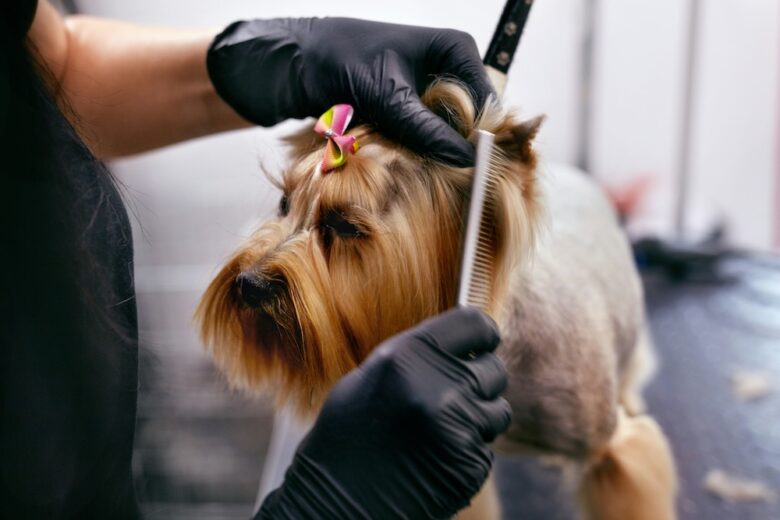
Mobile dog grooming has quietly become one of the fastest-growing pet services in North American suburbs, and the reasons are more interesting than they look on the surface.
It’s not just convenience, though convenience is part of it. It’s a combination of changing pet ownership patterns, stress reduction for anxious dogs, working-household logistics, and the steady maturing of a services category that used to be dominated by brick-and-mortar grooming salons.
In cities like Frisco, Texas, where pet ownership density has climbed and homeowners have the yards and driveways to support it, mobile grooming is now a mainstream pet-care choice.

The economics also work out in a way that surprises first-time users. A dedicated mobile van with its own water, power, and professional-grade equipment costs the provider more to operate than a salon space, but cuts per-appointment time by removing transit, wait time, and multi-dog overhead.
For households in specific service areas, working with a local specialist offering Frisco mobile dog grooming services often ends up comparable in cost to driving across town to a traditional salon, with substantial practical benefits. Here’s what’s actually driving the category’s growth.
Why has mobile dog grooming moved from niche to mainstream?
Four overlapping trends have compounded over the last decade.
Pet ownership growth has been concentrated in suburban households. Data from the American Pet Products Association’s industry trends and statistics shows US pet industry spending reached $158 billion in 2024 with steady growth continuing. Much of that growth has been in suburban homes with multiple-dog households and working adults, which is exactly the demographic mobile grooming serves best.
Anxiety-conscious dog care has become mainstream. A decade ago, grooming salons were the default assumption. Owners have increasingly recognised how stressful the transport-and-wait pattern is for many dogs. Car rides, unfamiliar buildings, waiting in kennels, and sharing space with other dogs all produce stress that some dogs manage poorly. Mobile grooming removes most of these stressors by bringing the service to the dog rather than the dog to the service. Behavioural research such as the reporting that dogs dream about their everyday experiences reinforces the case for minimising stressful novelty during routine grooming.
Dual-income households have less flexibility for weekday salon trips. The logistics of dropping a dog off at a salon, waiting or coming back, and picking up increasingly don’t fit modern work patterns. Mobile grooming slots into a 60-90 minute window that a homeowner can book around a work call or a school pickup.
The service-category maturity has improved. Fifteen years ago, mobile groomers were often solo operators with inconsistent quality. Today, established providers invest in full mobile rigs with hot water, temperature-controlled interiors, professional dryers, and grooming tables that match salon standards.
What’s actually inside a mobile grooming van?
The visible infrastructure matters more than most first-time customers realise.
A quality mobile grooming van typically includes:
- Dedicated water supply (50-100 gallon fresh tank) for baths without needing house water access
- Propane or electric water heater for consistent warm water temperature
- Hydraulic grooming table that adjusts to the dog’s height for groomer ergonomics and dog safety
- Professional high-velocity dryer much more effective than home hair dryers
- Temperature-controlled interior (heated in winter, air-conditioned in summer) for dog comfort
- Waste water tank for responsible disposal, not draining onto customer properties
- Secure restraints and non-slip surfaces for small breeds through large breeds
- Scissors, clippers, shears, and comb sets organised for efficient workflow
Service tier differences are visible in the rig. Budget operators run smaller vans with limited water capacity and older equipment; premium operators run custom-built rigs with everything a salon has, plus mobility. Ask to see the setup before booking.
What dogs benefit most from mobile grooming?
Mobile grooming isn’t necessarily better than salon for every dog, but it’s clearly better for specific profiles.

- Senior dogs and dogs with mobility issues. Arthritis, hip dysplasia, or post-surgical recovery all make transport painful. For larger breeds dealing with these issues, supportive mobility aids such as the wheelchairs available at https://walkinpets.com/ can make grooming days and everyday movement noticeably easier on stiff joints. Mobile grooming removes the car ride.
- Anxious or reactive dogs. Dogs who fear other dogs, new environments, or extended handling benefit enormously from one-on-one time with a single groomer in a familiar driveway.
- Multi-dog households. Bringing two or three dogs to a salon is logistically difficult. Mobile grooming handles multiple dogs sequentially with minimal transport overhead.
- Small breeds that don’t travel well. Chihuahuas, Yorkies, and similar toy breeds can be particularly stress-prone in car rides, especially for short distances.
- Large breeds that fit poorly in cars. Great Danes, St. Bernards, and other giant breeds often need elaborate transport arrangements. Mobile grooming removes that friction.
- Dogs with medical conditions requiring gentle handling. Seizure disorders, skin conditions, or specific phobias benefit from calmer, quieter environments.
- Rescue dogs with unknown histories. New rescues often have unpredictable reactions to salons, other dogs, and confined spaces. Mobile grooming provides a safer introduction to regular grooming.
Pet-care best practices documented by the ASPCA’s pet care resources cover how grooming affects overall wellbeing, which informs decisions about which service model works best for specific dogs.
How should owners evaluate a mobile grooming provider?
The selection criteria matter because service quality varies widely.
- Check licensing and insurance. Reputable mobile groomers carry liability insurance and grooming-specific certifications. Ask to see proof.
- Ask about the equipment. A 10-minute conversation about water heater, dryer, and table setup reveals whether the groomer is running a professional rig or an underfunded one.
- Get specific appointment windows. Quality providers commit to tight 60-90 minute service windows; providers with vague all-day windows often have scheduling problems.
- Read reviews that mention specific dogs. Generic “great service” reviews say less than reviews that describe how the groomer handled a shy or senior dog.
- Request references from neighbours. Mobile grooming is a neighbourhood service; ask nearby owners who they use.
- Understand the cancellation and rescheduling policy. Mobile groomers have tight schedules; cancellation fees are normal. Know the terms.
- Check the grooming scope. Not all mobile groomers do all services. Some specialise in specific breeds; some don’t handle doodle coats; some don’t cut nails of anxious dogs. Ask before booking.
What should first-time users expect?
The first appointment sets the tone for an ongoing relationship. Common patterns:
- Introductory conversation (10-15 minutes). Groomer meets the dog, discusses the owner’s preferences, and assesses coat condition. Don’t rush this; it determines everything.
- Van walkthrough. A good groomer shows the setup so the owner can see where the dog will be.
- Initial groom may take longer than recurring sessions. First visits often run 90-120 minutes; regular customers see 60-75 minutes once the routine is established.
- Photo documentation. Quality groomers take before-and-after photos, which help with breed-specific styling communication.
- Post-groom debrief. The groomer should note anything about the dog’s condition (skin, ears, teeth, matting) that warrants attention.
Pricing typically runs 15-40 percent above traditional salons for comparable services, but many users find the convenience and stress reduction worth the premium. Pet owners comparing grooming budgets against other recurring pet spending often do so alongside decisions like pet insurance; guides like the ten best pet insurance companies in the UK help owners benchmark recurring pet costs against one another.
What are the common mistakes first-time users make?
- Booking during the worst weather windows. Mobile grooming vans park in driveways and work within them. Extreme heat, extreme cold, and heavy rain make the experience worse. Consider scheduling in mild weather when possible.
- Not preparing the dog for the visit. Dogs handle mobile grooming better when they’re familiar with the routine. First visits often require patience; don’t expect a rescue dog to love it immediately.
- Expecting salon-style amenities. Mobile grooming doesn’t include day care, extended waiting, or multi-dog socialisation. It’s a focused single-dog service.
- Comparing on price alone. The cheapest mobile groomer often runs an underfunded rig. Compare on equipment, reviews, and service scope, not just price.
- Underestimating scheduling commitment. Regular customers usually book every 4-8 weeks depending on breed; one-off use defeats most of the advantages.
What to remember
- Mobile dog grooming has moved from niche to mainstream on three drivers: suburban pet growth, anxiety-conscious care, and dual-income household logistics
- Quality mobile rigs include water supply, heating, professional dryers, and temperature control
- Mobile grooming especially benefits senior dogs, anxious dogs, multi-dog households, and hard-to-transport breeds
- Selection should focus on licensing, equipment, reviews, and service scope rather than price alone
- First appointments run longer than subsequent visits; plan for 90-120 minutes initially
The bottom line on mobile dog grooming
The category’s growth reflects a structural shift in how pet owners think about recurring services. For busy suburban households with one or more dogs, mobile grooming solves real logistical problems while reducing stress for the dog. The price premium over traditional salons is often modest, and the service quality at established providers matches salon standards without the transport friction.
For first-time users, the decision comes down to finding a provider with the right equipment, a reputation for handling specific dog profiles, and a schedule that fits your household. Once a good match is established, most users don’t go back to salon grooming.
Frequently asked questions
How long does a typical mobile grooming appointment take?
Sixty to ninety minutes for regular customers; ninety to one hundred twenty minutes for first appointments while the groomer assesses the dog and establishes the routine.
Do mobile groomers use my water or electricity?
Quality mobile grooming vans carry their own water supply and power. Some operators request an outside hose connection or a garage outlet as a backup; ask before the appointment.
Is mobile grooming more expensive than salon grooming?
Typically 15 to 40 percent higher for comparable services. Most users find the convenience, one-on-one attention, and reduced stress worth the premium, especially for anxious dogs or multi-dog households.
What happens if my dog doesn’t cooperate during a mobile groom?
Experienced groomers have de-escalation techniques and know when to stop rather than force. The service model depends on building a relationship with the dog over repeated visits, not pushing through a single stressful session.


