Why fabric quality matters in bespoke suit construction
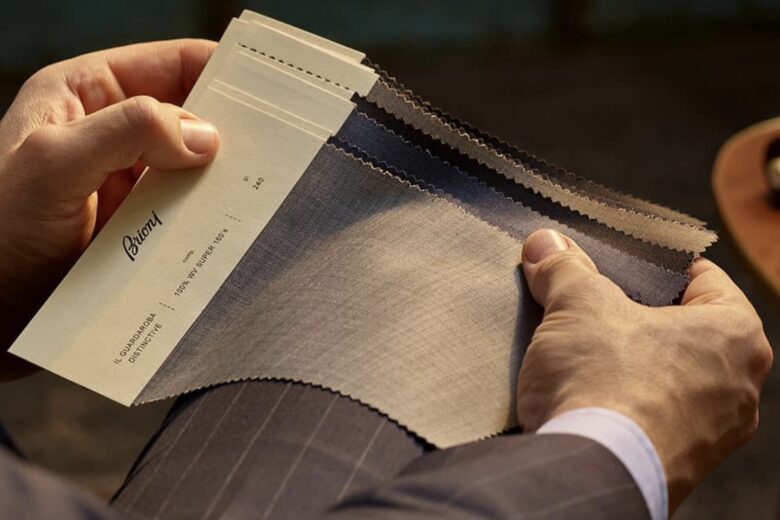
A bespoke suit is shaped by more than measurements and design choices. The fabric determines how it feels, how it falls, and how well it maintains its appearance through regular wear. Even careful tailoring can only achieve its full potential when the cloth suits the garment and the person wearing it. This makes fabric selection an important part of the process.
For anyone exploring bespoke Loro Piana suits, understanding fabric quality makes the selection more informed. Fibre, weave, weight and finish affect the result. Knowing what these features mean helps buyers choose cloth that supports comfort, structure and personal style.
Fabric Quality Creates the Foundation of a Suit
Fabric influences a suit’s shape and character. Its drape affects the silhouette, while its weight determines how the jacket and trousers sit. Structured cloth creates cleaner lines; softer material gives a more relaxed appearance. A tailor considers these qualities before cutting. Fabric also affects crease resistance and recovery after movement. These qualities matter when a suit is worn for hours or carried during travel. This can help maintain a polished appearance during a working day.
The intended use matters. Office wear may require different comfort and durability from occasional formal wear. Climate, movement and personal preference should guide the choice. Selecting cloth with these factors in mind helps create a suit that feels as appropriate as it looks.
Fibre, Weave and Finish Influence Performance
Fabric quality depends on fibre, yarn, weave and finish, not price alone. Wool is popular for suiting because it can offer breathability, resilience and refined drape. Cotton, linen and blended fabrics have different characteristics. The best option depends on the garment’s purpose. Fibre quality affects how cloth responds to handling and repeated wear.
Weave and finish affect texture and appearance. A closely woven cloth may feel firmer, while an open weave can allow more airflow. Finishing influences softness and how light reflects from the surface. Assess these features together when choosing suitable fabric.
Important Details to Check Before Selecting Fabric
Consider how the cloth will perform in everyday situations. A fabric that looks impressive in a showroom may not suit long working hours, travel or warm conditions. A tailor can explain its qualities and help narrow the options.
- Fibre Composition: Check whether the cloth is wool, cotton, linen or a blend, and understand the qualities each offers.
- Fabric Weight: Choose a weight that provides suitable structure without feeling too heavy for the intended climate.
- Weave: Consider how the yarns are arranged and how this affects texture, airflow and appearance.
- Drape: Notice whether the cloth falls smoothly or holds a firmer shape when handled.
- Surface and Finish: Look for an even texture, consistent colour and a finish that suits the desired style.
- Care Requirements: Understand the cleaning and storage needs before selecting fabric for regular use.
These details make selection more purposeful. The most expensive cloth is not automatically the best. Choose material that suits the garment, the wearer and its intended use. A tailor can explain the differences between available options.
How Tailoring Techniques Bring Out Fabric Qualities
A tailor studies the fabric before deciding how to cut and assemble the suit. Weave direction, pattern placement, and natural stretch affect how pieces are positioned. Suitable construction helps the garment retain its intended shape and balance.
Each careful construction stage needs attention because small decisions influence comfort, appearance and durability.
- Pattern Placement and Cutting
The tailor plans the layout before cutting. Checks, stripes and directional textures may need alignment across seams. Careful placement creates a balanced look, while cutting along the cloth’s grain helps the garment hang properly.
- Interfacing and Internal Structure
Interfacing supports lapels, collars and front panels. Its weight should complement the outer cloth. Unsuitable support can make a jacket rigid or affect its shape. Good construction provides structure while allowing movement.
- Stitching and Seam Control
Fine or loosely woven fabrics need careful stitching to prevent pulling or distortion. Seam allowance, stitch tension and pressing affect the finish. Skilled construction keeps seams neat and comfortable.
- Pressing and Shaping
Pressing shapes the chest, lapels, sleeves and trouser legs, as well as removing creases. Heat, moisture and pressure must suit the fabric. Excessive pressing can flatten texture or leave marks.
- Fittings and Final Adjustments
A fitting shows how the fabric behaves on the body. The tailor checks balance, movement and how the garment falls when standing or sitting. Adjustments should respect the cloth’s structure. With custom Loro Piana suits, a fabric name cannot replace careful fitting and skilled construction.
Caring for a Bespoke Suit After Construction
A well-made suit needs thoughtful care. Regular habits help preserve its shape, while unsuitable cleaning or storage can shorten its useful life. Follow instructions for the specific fibre and finish. Avoid a crowded wardrobe, where pressure can create creases. Leave enough space around the suit during storage.
- Allow the suit to rest between wears so the fibres can recover.
- Use a broad, supportive hanger to maintain the jacket’s shoulder shape.
- Empty pockets after wearing to reduce strain on seams and fabric.
- Brush away surface dust gently with a suitable clothes brush.
- Air the suit in a ventilated space before returning it to storage.
- Follow professional cleaning advice and avoid unnecessary dry cleaning.
- Store the garment in a breathable cover, away from damp conditions and direct sunlight.
These habits help keep a suit presentable between cleanings. Address spills promptly to prevent stains from setting. If unsure about a cleaning method, ask a professional familiar with the fabric.
Conclusion
Fabric quality influences every stage of bespoke suit construction, from design to fitting and care. The right cloth supports shape, comfort and appearance, but must be matched with suitable cutting, stitching and finishing. Choose according to the wearer’s needs, not price alone.
For those considering bespoke Loro Piana blazers, Libas Legacy offers personalised tailoring services for men and women, with attention to fabric selection, individual measurements and garment construction. Its tailoring process includes helping clients choose suitable fabrics, discussing design preferences, taking precise measurements and conducting fittings to refine the garment’s fit and appearance. These steps help ensure that the selected material works well with the desired style, structure and comfort. With its family tailoring tradition established in 1992, Libas Legacy focuses on creating bespoke clothing that reflects each client’s preferences and requirements.