What factors can affect the success of fire ant control
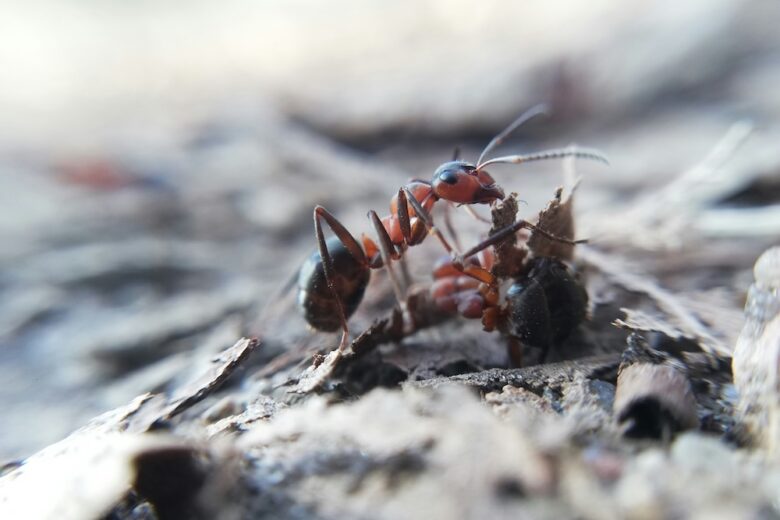
One of the most common fire ants is the red imported fire ant. This invasive pest ruins lawns and leaves ugly mounds, but the real problem is what happens when you disturb them. They swarm and sting, and the bites hurt a lot.
And here’s the challenge: an established underground colony can house hundreds of thousands of ants, which is why a quick spray on one mound rarely settles the problem. The treatment itself doesn’t work on its own; timing, weather, and what happens nearby influence whether the ants go away or persist.
Here are the main factors that can affect the success of fire ant control, and what to ask before you pay for a service.
1. Correct Identification
Treatment only works if you are treating the right pest. Fire ants are red and black, and they vary a lot in size, from 1/16 to 1/4 inch long. Most other ant species are fairly uniform, so a mix of sizes in one mound is a useful clue.
Fire ants also have two bump-like nodes between the thorax and abdomen, which set them apart from many similar-looking ants. If you’re still unsure of the species, have a professional fire ant controlteam identify it. Different ant species may require different treatments.

2. Colony Size and Mound Location
A young colony is easier to eliminate than one that has been established for years. Mature colonies can contain hundreds of thousands of ants. If your property has gone untreated for a long time, you may find more mounds because the infestation has had time to spread.
One visible sign of a fire ant infestation is a loose, fluffy mound with no central opening. Fire ants often build their mounds in sunny, sandy areas, and the surrounding grass may begin to thin out.
The number of mounds also matters when planning treatment. Getting rid of fire ants in 2 mounds requires a different approach than in 20, especially if the colonies are spread across a large area.
3. Timing and Time of Day
Fire ants are most active in moderate weather, mainly spring and fall. They forage less during extreme heat, cold, or drought, and bait that depends on foraging may sit unused.
You also want to apply treatment when there is maximum movement, such as early morning or early evening, when ants are out foraging, so that the product reaches the colony.
An easy way to check activity is to place a small piece of greasy food near a mound and see whether ants find it within 30 minutes.
4. Weather and Soil Moisture

Rain can undo a good treatment application. During heavy rains, wet granules may be washed away or spoil before the ants carry them home, or water may push a colony to relocate. If a mound vanishes after a storm, it may have moved a few feet away.
Always check the forecast and the product label before treating. Many granular products require watering after application, so follow the label’s directions on when and how much to water.
5. Treatment Method and Product
Effective control usually combines two approaches: a full yard treatment and targeted treatment of individual mounds. Treating only the visible mounds leaves hidden colonies behind, allowing them to multiply again, while treating only the lawn can leave large mounds partly intact.
Product performance also varies. One product may start working on contact, killing ants in a mound within about 15 minutes and colony queens within 24 hours, with protection lasting up to 6 months. Another may control ants within four hours and protect for up to three months, with a recommended application rate of half a cup per mound.
Choosing the right treatment method and product is where pest control professionals can help. They can assess the infestation and recommend a strategy suited to the ant species and the extent of the problem.
6. Application Accuracy and Follow-Up
Even a good product might not deliver satisfactory results if it’s spread unevenly. Missed application in important areas like corners, garden beds, or thin coverage can leave areas where ant colonies survive.
A calibrated lawn spreader helps distribute products evenly across the lawn. But for mound treatments, the product must be applied directly to each mound.
How well the treatment is applied affects the results, and it may take a few weeks to see how effective it has been. If some mounds remain active, a follow-up visit allows the provider to assess the problem again and treat any surviving colonies.
7. Pressure From Neighboring Properties
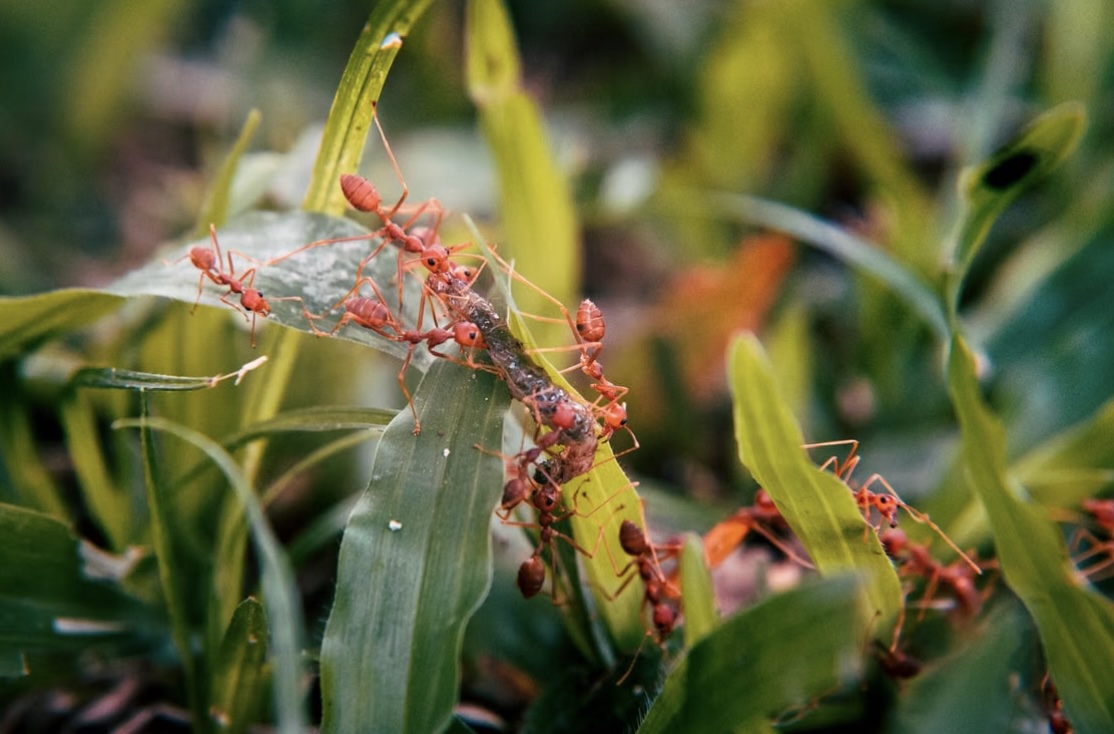
You can follow every step of the treatment correctly and still find new mounds in your yard. That’s because fire ants spread through mating flights and can move in from nearby areas. Untreated neighboring lots, vacant properties, and drainage ditches can become sources of new colonies, leading to another infestation even after you’ve treated your yard.
If your neighbors are also dealing with fire ants, coordinating treatment can help slow their return. When treating nearby properties together isn’t possible, follow-up treatments are recommended instead of relying on a single application. A yard that was clear in spring can have new mounds by autumn when you give ants from surrounding areas time to move in.
Conclusion
Fire ant control works best when the treatment suits the colony, season, and weather. Choosing the right product matters, too. Since ants can move in from surrounding properties, one application may not be enough. Repeat treatments may be needed to keep the infestation under control.
You can save yourself the headache by choosing an experienced local provider who can accurately identify the species, inspect the whole property, and choose a suitable treatment. They understand the best time to apply it and schedule follow-up visits to check for surviving colonies or new mounds.
Even after treatment, fire ants may return from nearby areas. So, a well-planned approach with regular inspections and timely follow-up treatments can help keep their numbers low and prevent a small problem from becoming a larger infestation.