What Andrew Ting says every woman should know about AI reading her mammogram
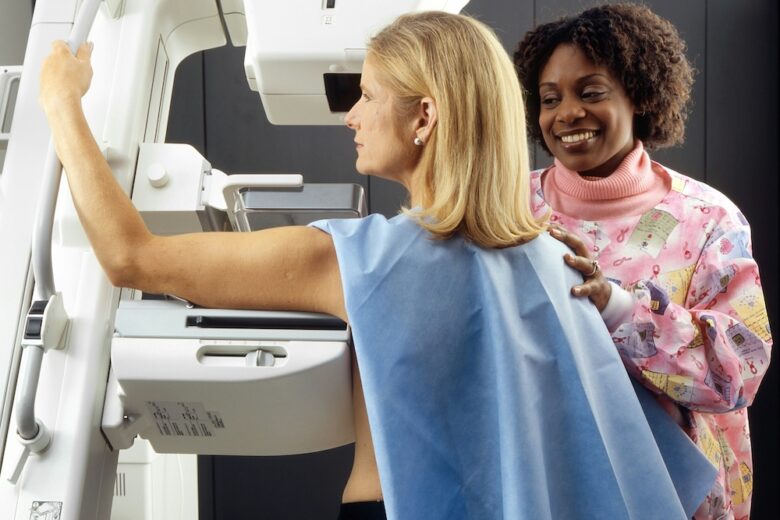
Getting a mammogram can bring a few worries, even when you know it’s an important part of looking after your health. Now that artificial intelligence is being used to help examine breast images, women may have questions about what the technology actually does and whether it changes the way results are handled. Andrew Ting is a name that may come up when exploring conversations about AI and its role in medical imaging. The idea of a computer helping read a mammogram might sound unsettling at first, especially if you’re used to having a radiologist review the images. Understanding where AI fits into the process can make the experience a little less confusing.
What Does AI Actually Do When Reading a Mammogram?
Artificial intelligence in mammography is designed to help identify patterns in breast images that may need a closer look. It can be trained to recognize features such as small masses, areas of distortion, and tiny calcium deposits known as calcifications. These findings can sometimes be difficult to spot, particularly in dense breast tissue. AI software examines the images and provides information that can help a radiologist decide which areas deserve attention.
This doesn’t mean a computer simply looks at your mammogram and decides whether you have cancer. The software works with image data and produces findings or risk indicators based on what it has been trained to recognize. A qualified radiologist still needs to interpret the images alongside other relevant information. AI is there to support that work, not take over the responsibility for making a diagnosis.
Why Are More Imaging Centers Using AI?
Reading mammograms requires concentration and experience. Radiologists review many images throughout the day, and even skilled professionals can face challenges when examining subtle changes. AI tools offer another way to examine the images and may help flag areas that deserve additional attention. Depending on the software and how a facility uses it, this could support a more consistent review process.
Some systems are also designed to help radiologists manage their workload by prioritizing examinations that may need closer review. This can be useful in busy imaging centers where many patients are waiting for results. However, the benefits depend on the specific technology, the quality of the images, and how well the system has been tested. Not every AI tool works in exactly the same way, so its role can vary from one facility to another.
Can AI Find Breast Cancer More Accurately?
AI has shown promise in research involving breast cancer screening. Some studies suggest that certain systems can help detect suspicious findings or identify mammograms that may need further examination. In some settings, AI has also been studied as a second reader alongside a radiologist. These results are encouraging, but they don’t mean the technology catches every cancer or eliminates mistakes.
A mammogram can still produce a false positive, where an area looks suspicious but turns out not to be cancer. A false negative is also possible when a cancer isn’t identified during screening. AI may help with certain parts of image review, but it cannot remove these limitations entirely. That’s one reason women should continue following their recommended screening schedule and discuss any breast changes with a healthcare professional, even after a normal mammogram.
Does AI Replace the Radiologist?
This is probably one of the biggest questions women have when they hear about AI-assisted mammograms. The short answer is that AI is generally intended to assist medical professionals rather than replace them. A radiologist considers more than what appears in a single image. They may also review previous mammograms, examine changes over time, and take into account other clinical information.
Medical professionals must also decide what happens after an unusual finding appears. That could mean recommending additional mammogram views, an ultrasound, an MRI, or a biopsy, depending on the situation. AI cannot have a conversation with you about your symptoms or explain how a finding relates to your personal medical history. Those decisions still require professional judgment and communication with your care team.
What About Dense Breast Tissue?
Dense breast tissue is an important topic because it can make mammograms harder to interpret. On an image, both dense tissue and many breast cancers appear white, which can make certain abnormalities less noticeable. Women with dense breasts may also have a higher risk of developing breast cancer than women with less dense tissue. AI tools may help identify suspicious patterns, but they do not make dense tissue disappear from the image or guarantee that every abnormality will be found.
If you’ve been told you have dense breasts, ask your healthcare provider what that means for your screening plan. Depending on your individual risk and medical history, additional imaging may be worth discussing. Ultrasound or breast MRI may be recommended in some cases, although these tests are not necessary for every woman. The right approach should be based on your circumstances rather than the technology available at a particular imaging center.
Questions Worth Asking Before Your Mammogram
You don’t need to understand the technical details of AI to ask sensible questions about your care. If your imaging center uses AI-assisted screening, you can ask whether the software reviews every mammogram or only selected cases. It’s also reasonable to ask whether a radiologist reviews the images and who will explain the results to you. Knowing how the process works can help you feel more comfortable.
You may also want to ask how your images and personal information are protected. Medical AI systems use patient data, so privacy and data security deserve attention. If you have concerns about an unusual result, ask who you should contact and what the next steps might be. For more background on the medical and technology discussions surrounding this subject, information associated with Andrew Ting MD may provide another starting point for further reading.
Your Mammogram Still Deserves Personal Attention
Technology can be useful, but it shouldn’t make women feel as though their health has been handed over to a machine. A mammogram is one part of a much larger picture that includes personal and family history, symptoms, previous screening results, and conversations with healthcare professionals. AI may help identify details that deserve another look, but it cannot understand your concerns or make decisions based on your full experience. Don’t hesitate to speak up if something about your results or screening plan isn’t clear.
Final Word
AI is changing the way some mammograms are reviewed, but it doesn’t remove the need for experienced medical professionals. Learning about the technology, including discussions involving Andrew Ting, can help women feel more informed when choosing where to have their screening. Ask questions, understand your results, and keep up with the screening schedule recommended by your healthcare provider. Your health deserves careful attention, whether that involves advanced software, a radiologist’s experience, or both.