
The evolution of faxing: Online vs traditional

Long before emails and instant messaging, fax technology revolutionized the way businesses and individuals communicated with each other.
This reliable means of sending documents helped bridge large distances and formed the backbone of many corporate communication strategies. But as times have changed, so too has the medium of message exchange, with online faxing emerging as a practical alternative to traditional methods.
In this article we explore the journey from the fax machine’s heyday to the present, where digital solutions prevail.
Understanding online fax solutions and how they work
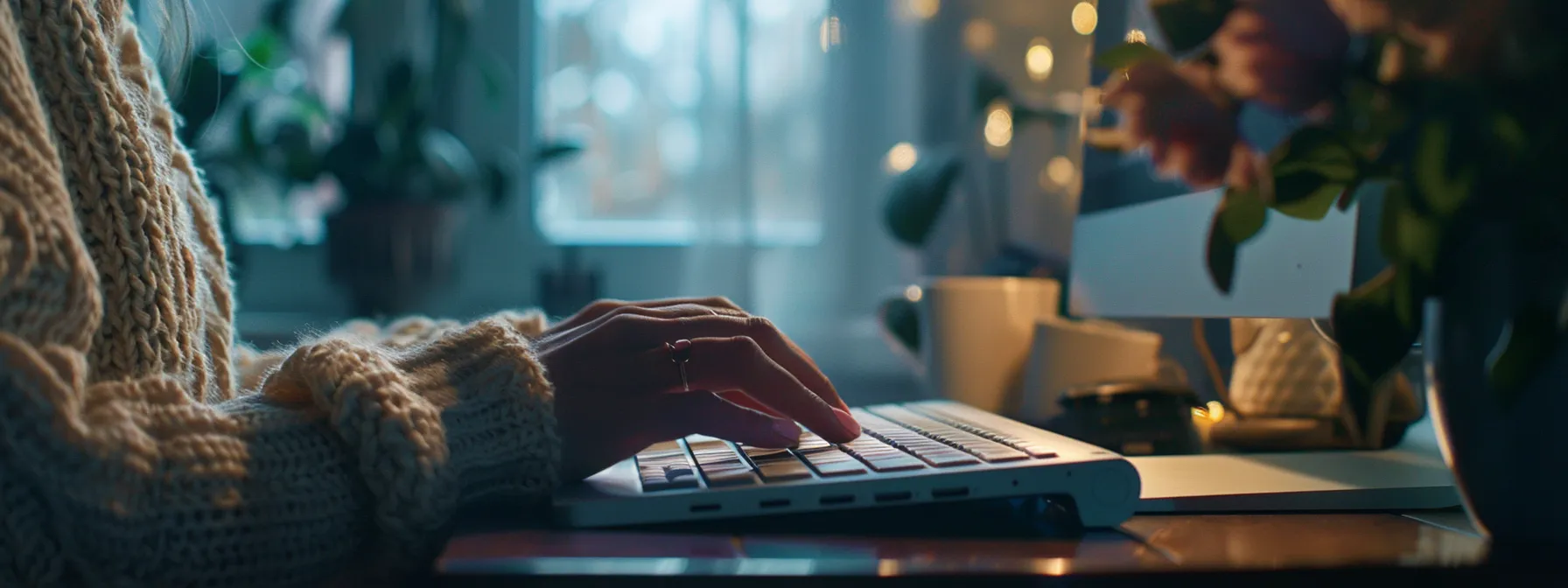
Online faxing is a modern twist on the traditional fax, allowing users to send and receive documents via the Internet using their computer or mobile device. This digital approach streamlines the process, integrating smoothly with existing workflows and reducing the reliance on paper.
The shift to online faxing is driven by its convenience and cost-efficiency. Without the need for physical hardware or a dedicated phone line, businesses can easily scale their usage to match their needs, making it an ideal solution for the modern, cloud-based work environment.
The origins and inception of traditional fax technology
Fax technology, invented by Alexander Bain in 1843, revolutionized communication by enabling quick and accurate document transmission over telephone lines. From the late 1970s to the 1990s, fax machines became a staple in offices worldwide, offering improved speed and reliability. They had limitations, such as high maintenance costs, office space consumption, and ongoing costs for supplies like paper and toner.
The need for a dedicated phone line added additional expenses. Furthermore, the high paper usage contributed to deforestation, and the energy consumption of these machines only increased their ecological footprint. This led to a growing awareness of the need for more sustainable, digital alternatives, leading to the development of more efficient and cost-effective fax machines.
Comparing the security aspect of online and traditional faxing
Information security is crucial in today’s world, and sending sensitive documents can be risky. Traditional fax machines are generally secure due to direct line connections, but they can be intercepted or left unattended. Online faxing uses advanced encryption protocols and secure login credentials to maintain confidentiality.
However, both methods have risks. Traditional fax users must collect documents promptly, while online users should use strong passwords and be aware of their service provider’s security policies. Regulatory compliance is also a significant aspect of fax communication security, as online fax services often comply with stringent regulations in industries like healthcare and financial services. Therefore, both methods require a measured approach to security.
The impact of internet availability and mobile devices on fax communication
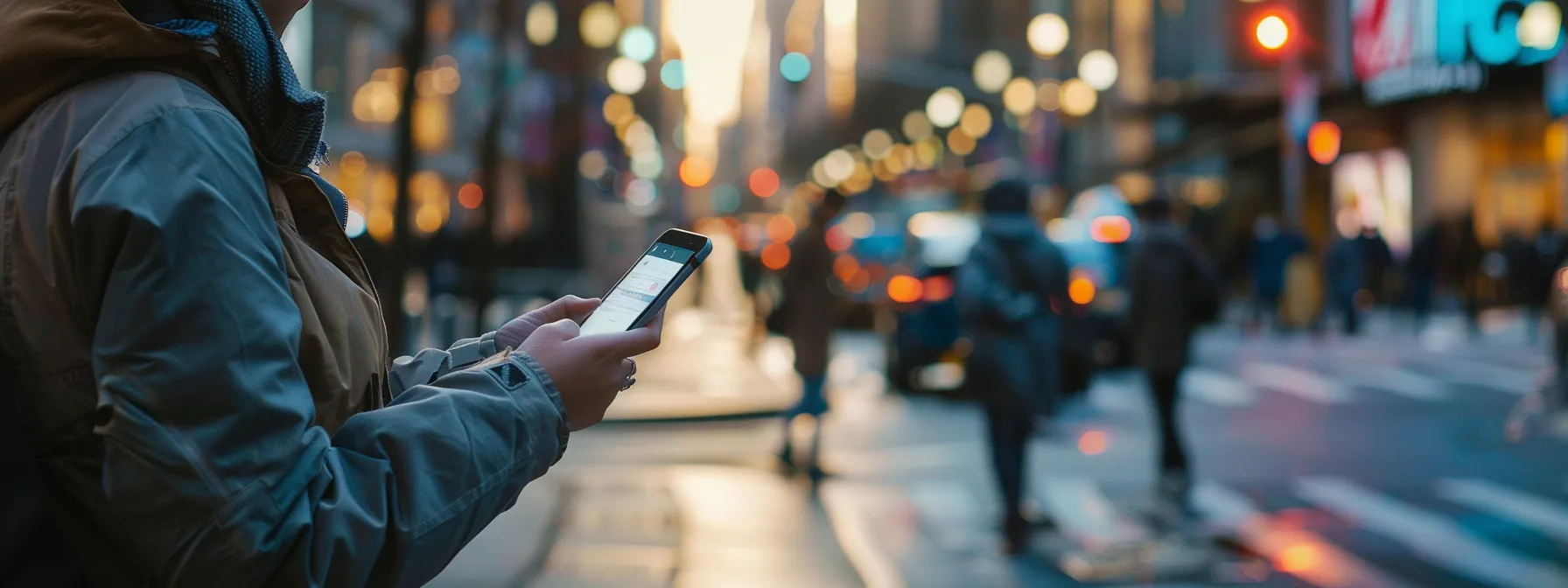
The rise of high-speed internet and mobile device usage has revolutionized various technologies, including faxing. The ability to transfer large files quickly and reliably has made traditional faxing difficult. The rise of smartphones and tablets has enabled on-the-go fax management, allowing users to send, receive, and sign faxes digitally without accessing a physical fax machine.
This flexibility has made fax technology more accessible to professionals in various fields. Traditional fax technology struggles to keep up with these advancements due to the fixed nature of fax machines. As mobile devices become more powerful and multifunctional, online faxing integrates seamlessly into broader communication and productivity apps, further enhancing its integration into users’ daily digital toolkits.
Future predictions for fax technology: Embracing digital transformation
Fax technology is expected to undergo further digitization, moving away from its physical roots and towards virtual solutions. This shift is driven by businesses and individuals seeking flexibility, security, and cost-effectiveness.
AI and machine learning advancements could further streamline online faxing with features like automatic sorting and document recognition. Traditional fax machines may not become obsolete anytime soon, especially in sectors with slow change or legacy systems.
As the push towards a more connected, paperless world grows, user habits, data security needs, and environmental considerations will shape the way fax technology is used. Companies that adapt early to online fax solutions may gain an advantage, capitalizing on a modern approach to a tried-and-true communication method.
Overall, the history of fax technology is both rich and dynamic. As we move forward, the transition from traditional to online methods illustrates the broader narrative of digital transformation influencing our work and daily lives. The virtualization of faxing is not just a novel trend, it’s a reflection of an adaptive society optimizing for efficiency, security, and connectivity. Digital faxing may well become the standard, maintaining the resilient spirit of its analog predecessor yet embracing the possibilities of the digital world.


