
Stop the leak: Why a high-support pumping bra matters for flange stability, comfort, and milk collection

A high-support pumping bra helps most when it keeps the flange steady, the bottle from pulling downward, and the suction seal consistent from start to finish.
If you have ever ended a pumping session with milk on your shirt and less in the bottle than you expected, a shifting flange is often the real problem. In one crossover study, a better-fitting flange was tied to about 0.5 oz more milk and noticeably better comfort, which shows how much stability matters. You can usually improve leaks by checking support, flange fit, and setup in that order.
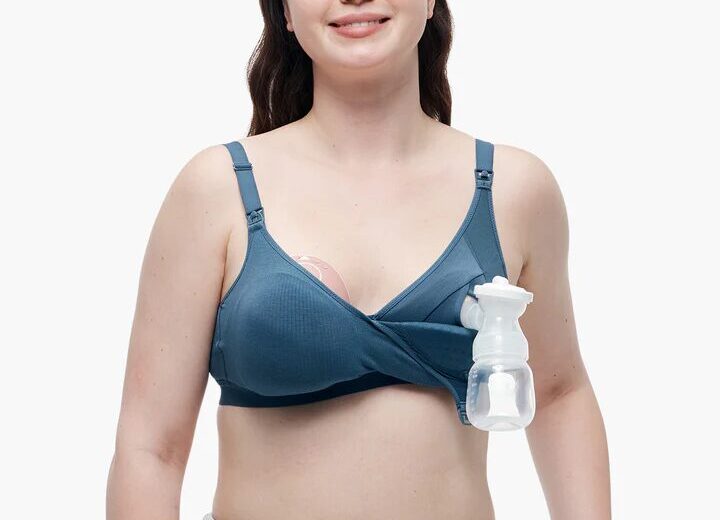
Why flanges leak during pumping
A leak usually starts with a broken seal
Most flange leaks happen when the flange shifts just enough to break suction. That can happen when you lean back, twist to grab something, stand up too quickly, or let a heavy bottle tug the flange downward. Once milk gets into that gap, it can keep leaking until you stop and reset the seal.
This is why leaks often feel random when they are not. Parents in community posts on What to Expect and BabyCenter describe the same pattern: things seem fine at first, then the flange slips, milk runs along the breast, and the rest of the session is messy.
Weight, posture, and overflow all matter
Bottle weight makes a bigger difference than many people expect, especially once you are collecting several ounces. A bra with weak openings or stretchy fabric may hold the flange at the start, then slowly sag as the bottle fills.
Setup matters too. Momcozy’s pumping guidance notes that leaks are also more likely when a collector is overfilled, when parts are worn, or when the pump is assembled slightly off. A good rule is to empty the collector before it gets too full, usually around three-quarters full, instead of trying to squeeze out one more ounce.
What a high-support pumping bra actually does
Good support keeps the flange angle steady
A high-support pumping bra is not just a bra with holes in it. The useful ones have reinforced openings, adjustable tension, and enough structure through the underbust and back to keep the flange sitting at the same angle the whole session.
That matters even more if you pump with heavier bottles or bulky flange setups. In a hands-on review from New Little Life, bras with double-layer fabric, smaller flange openings, wider back coverage, and adjustable straps did a better job holding heavier setups steady over time.
Firm is helpful, too tight is not
The goal is support, not compression. If the bra is so tight that it flattens the breast or changes how the flange sits, you can trade one problem for another and make milk removal worse.
That is one reason many parents outgrow the quick sports-bra hack. A guide from Branch CMS points out that DIY pumping bras can work in a pinch, but frequent pumpers usually do better with a bra designed for pumping because it is more stable, more adjustable, and less likely to need constant fiddling. If you pump seven times a day, even two extra minutes of repositioning per session adds up fast.
The most helpful features are usually simple
One option many moms find helpful is a 2-in-1 pumping and nursing bra with crossed fabric openings and adjustable straps. That kind of design can give you better control over flange tension without needing a full wardrobe change between feeding and pumping.
Look for a snug underbust, adjustable straps, and openings that hold the flange firmly without stretching out. Those basic features usually matter more than extra styling details.
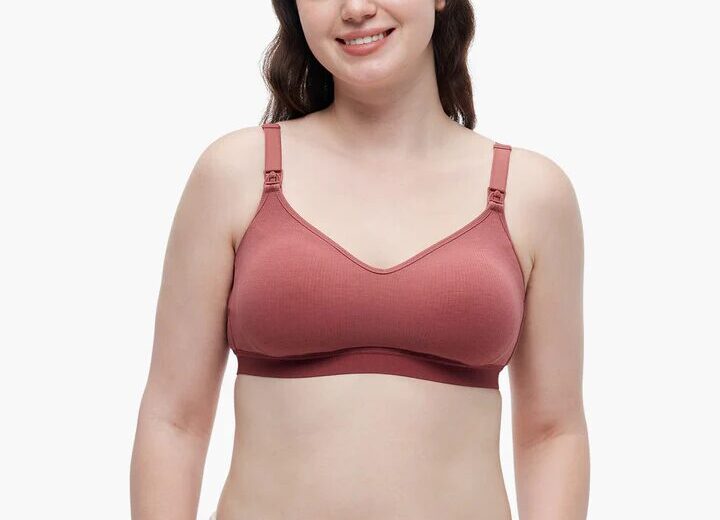
How to tell whether the problem is the bra or the flange
Signs the bra support is the weak point
If your flange works fine when you hold it with your hand but leaks once you let go, support is likely the problem. The same is true if leaks get worse when the bottle gets heavier, when you walk around, or when one side sags lower than the other.
Another clue is timing. If the session starts well and goes off track later, the bra may not be holding the flange securely as fabric stretches and milk weight builds.
Signs the flange size is the real issue
If pumping hurts, leaves a pinching or rubbing feeling, or makes the nipple look blanched or misshapen afterward, flange fit deserves a closer look. If too much areola gets pulled into the tunnel, the base of the nipple swells, or the nipple drags against the tunnel walls, the flange may be too large or too small.
Fit affects more than comfort. A 2024 pilot study indexed on PubMed found that standard-fit flanges produced about 0.5 oz less milk and scored 1.2 points lower for comfort than a smaller-fit method. That is a strong clue that “close enough” fit is often not good enough.
Standard sizes are often not the right sizes
Many pumps still come with a standard flange around 0.9 to 1.1 inches, but lactation fitters frequently report that parents need smaller sizes than that. Metropolitan Doulas, summarizing flange-fitting research and clinical experience, notes that many assessed users fit closer to about 0.5 to 0.7 inches.
So if your bra feels supportive but pumping still hurts or output drops, do not assume you need a tighter bra first. You may need a different flange size.
How to set up a leak-resistant pumping session
Measure the nipple, not the areola
When you check flange size, measure only the nipple diameter. A common fitting rule is to choose a flange tunnel about 1/16 to 1/8 inch larger than the nipple so it can move freely without rubbing.
It also helps to recheck fit from time to time. Nipple size can change over the course of breastfeeding, especially in the early weeks, so a flange that worked well last month may not be the best fit now.
Set up for suction first, multitasking second
Before you start, make sure the breast and flange are mostly dry so the seal can form well. If you use lubricant, keep it minimal and only where it helps with friction, because too much can make the flange slip.
Sit upright with your back supported, keep the pump or bottle upright, and avoid leaning back. If you need to get up, it is often worth pausing the pump instead of hoping the seal survives the movement. Starting with a lower vacuum and increasing gradually can also make the session more comfortable and stable.
Watch the collector and replace worn parts
Overflow is a very common leak source. If your collector holds about 5.4 fl oz, emptying it around 4 fl oz is safer than waiting until the top.
Old silicone parts can also quietly cause problems. Momcozy’s guidance suggests replacing silicone accessories about every three months, which lines up with what many regular pumpers notice in real life: once parts soften or lose tension, leaks show up more often.

When the leak is really fullness or oversupply
Not all leaking comes from a bad seal
Sometimes the milk on your bra is not a flange leak at all. Early postpartum, leaking is simply common, especially in the morning, during letdown, or when the other breast is feeding or pumping.
Wirecutter notes that this kind of leaking often improves within about 6 to 10 weeks. The HSE also notes that oversupply often settles around 4 to 6 weeks, though it can take up to 3 months for some parents.
Full breasts need a different fix
If you are very full, pumping or nursing to comfort can help relieve pressure without turning every session into an oversupply cycle. Going too long between sessions can make leaking, clogged ducts, and discomfort more likely, so many parents do better when they avoid long gaps and keep milk moving.
If your baby seems to sputter, gulp, have green frothy stools, or act uncomfortable at the breast, fullness or oversupply may be part of the picture. In that case, adjusting feeding patterns and getting lactation support can be more helpful than buying a tighter bra.
Practical next steps
If you want to troubleshoot fast, keep it simple and test one variable at a time. Leaks usually improve when you figure out whether the seal is being broken by movement, poor support, or the wrong flange size.
- Do one full session sitting still and another with normal movement, then note exactly when the leak starts.
- If holding the flange by hand stops the leak, your bra support is probably the weak link.
- If you see rubbing, pinching, swelling, or too much areola being pulled in, recheck flange size.
- If the bra is the issue, look for firmer openings, better strap adjustment, and stronger underbust support instead of just tighter overall compression.
The goal is not to squeeze everything harder. It is to keep the flange steady enough that suction stays consistent, milk goes where it should, and your pumping session feels a lot less frustrating.


