
Simple steps to keep your furnace running efficiently

Table of contents
- Regular Filter Replacement
- Schedule Annual Professional Maintenance
- Keep Vents and Registers Clear
- Install a Programmable Thermostat
- Inspect and Clean Ductwork
- Ensure Proper Home Insulation
- Monitor Thermostat Performance
- Keep the Area Around the Furnace Clear
As the cold season approaches, ensuring your furnace operates at peak efficiency is essential for both comfort and cost savings. Homeowners often overlook small, routine tasks that can significantly impact energy use and the longevity of their furnaces. By taking a proactive approach and scheduling regular services such as a furnace tune-up in Cincinnati, OH, you can protect your investment and enjoy peace of mind all winter long.
Proper maintenance isn’t just about comfort—it’s about safety and keeping monthly bills under control. Simple upkeep steps can also prevent inconvenient breakdowns in the middle of winter, helping you avoid emergency repairs and costly fixes. Integrated home maintenance routines ensure your heating system provides reliable warmth while also improving your household’s indoor air quality.
Throughout this guide, you’ll learn practical, easy-to-follow tips to keep your furnace heating effectively, boost energy efficiency, and help you steer clear of common heating problems.
Regular filter replacement
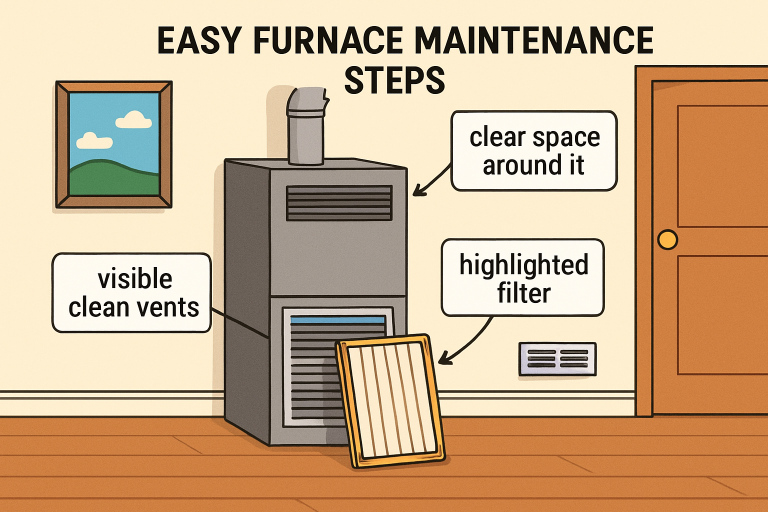
Changing your furnace’s air filter regularly is a simple yet foundational maintenance step. A clean filter helps maintain strong airflow and keeps dust and debris from clogging your system. Over time, dirty filters reduce your furnace’s efficiency, require it to work harder, and can even cause system components to fail prematurely.
As a general rule, replace filters every 90 days, or more frequently if you notice rapid buildup or during periods of heavy usage, such as the heart of winter. Always follow the manufacturer’s instructions regarding filter MERV ratings to avoid airflow problems.
Schedule annual professional maintenance
Enlisting a licensed HVAC professional for an annual furnace checkup is vital for both performance and safety. For high-temperature industrial systems, refractory management in Australia provides specialised inspections, maintenance, repairs, and strategic planning that support safety, efficiency, and equipment longevity.
Preventive maintenance appointments include cleaning, thorough inspections, lubricating moving parts, and calibrating your system. An annual visit can catch issues before they turn into costly repairs and help extend your furnace’s lifespan. According to the HVAC Inspection Checklist, a professional tune-up may improve heating efficiency by up to 20 percent in some cases.
Keep vents and registers clear
Your furnace depends on unrestricted airflow to distribute warm air efficiently throughout your home. Ensure that all supply and return vents are open and free from blockages, such as furniture, curtains, or thick rugs.
Closed or covered vents reduce your system’s efficiency, cause rooms to heat unevenly, and put excess strain on the furnace, leading to faster wear on internal components. Regularly walk through your home, especially before the heating season, and clear away anything that might be obstructing the flow of warm air.
Install a programmable thermostat
A programmable or smart thermostat empowers you to control your home temperature with precision, reducing needless system run times. By automating temperature changes based on your household’s schedule, you can save significantly on energy costs. For instance, lowering the temperature while you’re asleep or away, then boosting it before you return, optimizes comfort and maximizes efficiency.
Inspect and clean ductwork
Your furnace’s performance is reliant on clean ductwork. Dust, pet dander, and other allergens accumulate over time, reducing air quality and forcing your system to work harder to maintain consistent warmth. Every few years—or sooner if you notice an increase in dust or allergy symptoms—have a certified professional inspect and clean your ducts to support optimal furnace operation and a healthier home environment.
Ensure proper home insulation
An often-overlooked factor in furnace efficiency is your home’s insulation. Attic, wall, and window insulation act as a barrier to heat loss, helping your furnace maintain desired temperatures without excessive effort. Inadequate insulation allows warm air to escape, forcing your system to run longer cycles, consume more fuel, and wear out faster. Consider upgrading insulation and sealing air leaks to improve thermal performance and reduce heating bills.
Monitor thermostat performance
Thermostat malfunctions, calibration errors, or outdated models can make your home uncomfortable and force your furnace to cycle unnecessarily. Periodically verify that your thermostat is functioning properly by testing it in several temperature settings. If your home temperature doesn’t match the thermostat display, recalibrate or replace the unit as needed.
Keep the area around the furnace clear
Furnaces are frequently located in basements or utility closets where household clutter can easily accumulate. For both efficiency and safety, maintain 3–5 feet of clearance around your furnace. This not only ensures proper airflow but also minimizes fire hazards and allows service technicians easy access during inspections or repairs.
By prioritizing these easy maintenance practices, you set your furnace—and your home—up for a season of efficient, reliable heating. Implementing regular care helps save money, reduces the risk of emergency breakdowns, and contributes to a healthier indoor environment, ensuring warmth and comfort for years to come.


