
Sewing hobby made easy with online fabric shopping
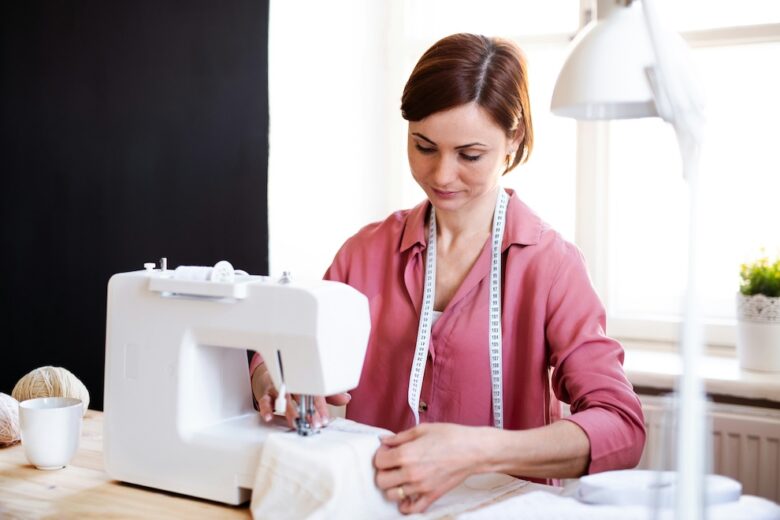
Taking up sewing in this fast fashion world of today feels almost like a rebellious act; Why go with the flow and get stuck in the loop of the culture of endless consumption when you can make your own wardrobe staples?
When you decide to get in the world of sewing, you get to blend creativity with practicality while expressing your style without spending hard-earned money on clothing items of low quality. And, it’s easy to get the basic supplies all from the comfort of your home.
Whether it’s getting the needed machinery and tools or acquiring fabric online order batches, you can find everything you need from trusted suppliers. However, being different from in-store shopping where you get the tactile experience with the fabrics, it’s understandable if you’re a bit unsure about the whole decision-making process. Here’s how you can make it more of a straight-forward process.
Be sure you know the different fabric types

How can I tell fabric quality online? This is a common question, and an expected one for a beginner in sewing. When you’re aware of the fabric types online fabric retailers have available, their distinctive properties and feel specifically, then you know what to expect and can buy the suitable choice for your project. The focus mainly falls on two options: natural and synthetic.
Natural vs. Synthetic vs. Blends
Natural fabrics and different from synthetic ones, as well as blends in the breathability, stretch, drape and wrinkle resistance. These different properties are the decisive factors that make them more suitable for some clothing items and less for others.
Cotton with its softness, reliability and durability is perfect for everyday wear items. The same goes for denim and twill that offer structured looks you can use for jeans and jackets. Wool with its thermo-regulation, softness (in the example of merino), hypoallergenic properties is ideal for all-year wear, from winter essentials to undergarments, base layers and socks.
Silk with its smoothness and lustrous shine is a top choice for elegance, fit for special occasions and evening wear. Although, keep in mind, it needs more care and maintenance, like the other delicate fabrics in the example of velvet and suede. Then, for sportswear you can buy fabric like synthetics in the example of nylon and polyester, and semi-synthetics like rayon, all great choices for moisture-wicking and wrinkle-resistant clothing.
They’re additionally quick-drying, durable and affordable, which is why they’re also used with natural fabrics like cotton to make quality blends. These are the go-to choices if you’re looking for a solution that holds dyes well. Lastly, in the case of elegant draping, opt for chiffon, whereas for more structure, woven fabrics like satin and poplin are the solution. Knitted fabrics like jersey and rib knit work well with fitted garments.
Pay attention to the description
In this tech-driven world we live in, we have most of the information we need right at our fingertips. You can use this to your advantage in taking the sewing hobby to the next level with shopping for the fabrics online.
Chances are the specs you require for each and every fabric option are already provided on the website of the online fabrics supplier, so it’s important to take a good look at the clues. From natural to synthetic options and blends, there’s everything for every taste, budget, needs and project.
Check the Percentage
Browse the encompassing ranges and check for information on the fabric percentage with the blends to pick out an option with more of the properties you’re after.
Look for Certification

If you’re eco-conscious and prefer to find sustainable solutions, it’s not that difficult to find an online fabric store with various biodegradable and Oeko-Tex Standard certified textile products. Besides the indication on sustainability and recyclability, you can also come across important data on whether or not the fabrics are free from harmful substances. This can especially come in handy when creating base layer clothing as well as items for babies where there’s need for more organic solutions for the particularly delicate skin.
Verify Basics Like Width and Weight
Furthermore, you have the essential details like width and weight so you can get an idea of what you can expect to get. The width is a necessary detail that shows you how much you fabric you need to purchase for the project you’re working on, essential not only for the budget but also the efficiency of your work too.
When it comes to weight, it’s usually indicated in GSM (grams per square metre); the higher the number, the denser the fabric. Typical GSM ranges include 30 to 150gsm for lightweight options, 150 to 350gsm for medium and 350gsm and more for heavyweight respectively.
In the lightweight range, you can find light cottons, chiffon, voile which are fit for summer items and a fluid drape. Another information you can come across is in the form of recommendations on the type of machine needle you can best work with; a detail like this one can simplify your project greatly from the start and set you off on the right path.
Don’t Forget Maintenance
Just because something looks low maintenance doesn’t mean it really is. Keeping in mind this aspect is closely related to the durability and longevity of the clothing items, it’s something to delve into much like the previous factors. A reliable fabric online order retailer can provide the crucial care instructions, whether or not the fabrics are machine washable, and whether or not pre-washing is required.
Ask for Swatches
When in doubt, you can always ask for samples. This is a wise solution that allows you to check not only the properties but also the variations in colour as well as the scale of the patterns. On the plus side too, by having a batch of swatches, you can get the feel of each of the textures, compare and find the perfect fit for the items you plan on creating. Although not all suppliers provide this, there are those that you can rely on.


