
Key considerations when selecting a concealed carry holster

Choosing the right concealed carry holster is a critical decision for anyone who wishes to carry a firearm discreetly and responsibly. Missteps in this selection can affect not just comfort but also the safety and efficacy of your self-defense. concealed carry holster
There are multiple factors to weigh, including material durability, retention, and how well the holster complements daily attire. In this article, we dissect the crucial aspects to consider, ensuring you make an informed decision suited to your needs and preferences.
Selecting a concealed carry holster: Comfort and concealability factors

Comfort and concealability are paramount when selecting a holster for everyday carry. A holster that causes discomfort can distract the wearer and may discourage consistent carrying. Conversely, a comfortable holster encourages regular use and facilitates ease of movement.
Factors such as the holster’s shape, the way it fits against the body, and the material’s texture impact both comfort and how well the holster hides the weapon. Holster designs like IWB (Inside the Waistband) provide better concealment under a broader range of clothing, but some may find them less comfortable than OWB (Outside the Waistband) holsters.
When testing holsters, wear them for extended periods to check for hot spots or pressure points. Additionally, simulate everyday activities like sitting, bending, and walking to understand how well the holster conceals under different types of clothing.
Material and durability: Choosing the right holster for longevity
Durability is crucial for a holster that lasts and ensures the firearm’s security over time. Holsters can be made from various materials, such as polymers like Kydex, natural materials like leather, or a blend of fabric and other components.
Kydex holsters are heralded for their ruggedness and ability to retain their shape under extreme conditions, whereas leather holsters have a reputation for their classic appearance and natural feel. However, leather may require more maintenance and can degrade faster over time if not properly cared for.
Consider the environmental conditions you’ll often encounter, such as extreme temperatures or moisture, when choosing material for durability. Look for holsters that offer a balance between robust construction and materials that are suited to your environment and handling. Holster durability factors can guide you further.
Holster retention and access: Balancing speed and security
Retention refers to how securely the holster holds the firearm, while access denotes how quickly you can draw it when necessary. A good holster provides a solid balance, keeping the gun safely secured until deliberately drawn.
Retention systems vary from simple friction fit to locking mechanisms that require specific actions to release the weapon. Active retention may provide more security but can hinder quick access under stress. Passive retention, typically adjustable with screws, offers a custom fit to the gun and allows for faster draws.
Test different retention systems to find one that aligns with your security needs and drawing style. Remember, practice is essential; become proficient with your holster’s retention system to ensure you can draw reliably and safely. Retention and access dilemma should be carefully evaluated.
Compatibility with clothing and lifestyle: Finding the perfect fit
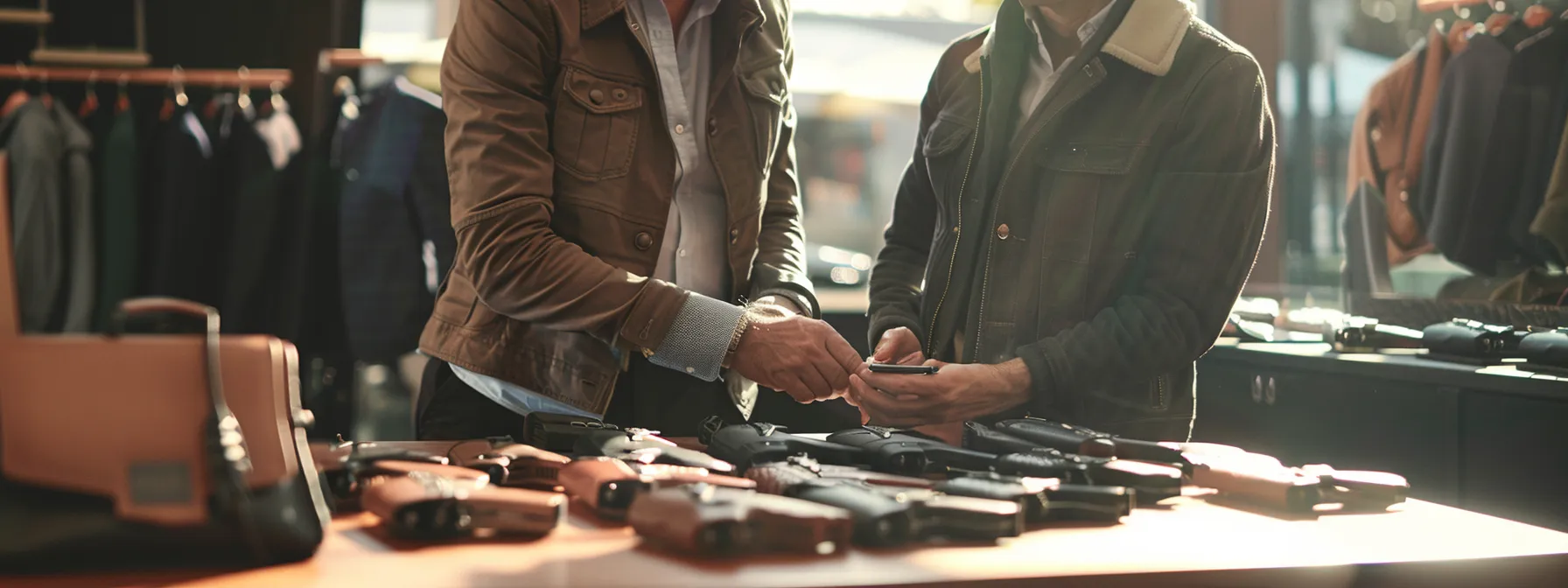
The right holster should blend seamlessly with your daily attire and accommodate your lifestyle. Beyond the mechanics of carrying a firearm, your holster must not significantly alter the way you dress or your activities.
If your wardrobe is primarily formal, a tuckable holster might be necessary. For those leading an active lifestyle, a holster that ensures stability and minimal movement during vigorous activity is vital. Additionally, some holsters may have interchangeable clips or loops to better adapt to various belt widths and styles.
Choose a holster that adapts to the widest variety of your clothing and activities without compromise. Take note of how the holster impacts your silhouette, the ease with which you can don clothing, and how discreetly your firearm is carried during your typical daily routine.
Ultimately, the ideal concealed carry holster should be a personalized choice that fulfills the demands of comfort, durability, retention, and compatibility with your wardrobe. Balancing these factors will contribute significantly to your effectiveness and confidence as a responsible firearm carrier. Remember, a conscientious carrier prioritizes a safety-first approach to selecting a holster that matches their unique lifestyle.


