
How women-led consumer brands use creators and UGC to grow on social

If you run a consumer brand, you have probably noticed that your polished product shots get fewer views than a customer filming herself opening the box on her kitchen counter. That is not an accident. People trust people more than they trust brands, and the social platforms reward content that looks like it came from a person.
For women-led brands, this is good news. Many founders already sell the way creators post: personally, honestly, and with a story behind the product. Creator content and user-generated content (UGC) let you do that at scale, without being on camera every day yourself.
This article explains what creator and UGC programmes are, why they work so well for founder-led brands, and how to start one without wasting your budget.
Creators, UGC and influencers: what is the difference?
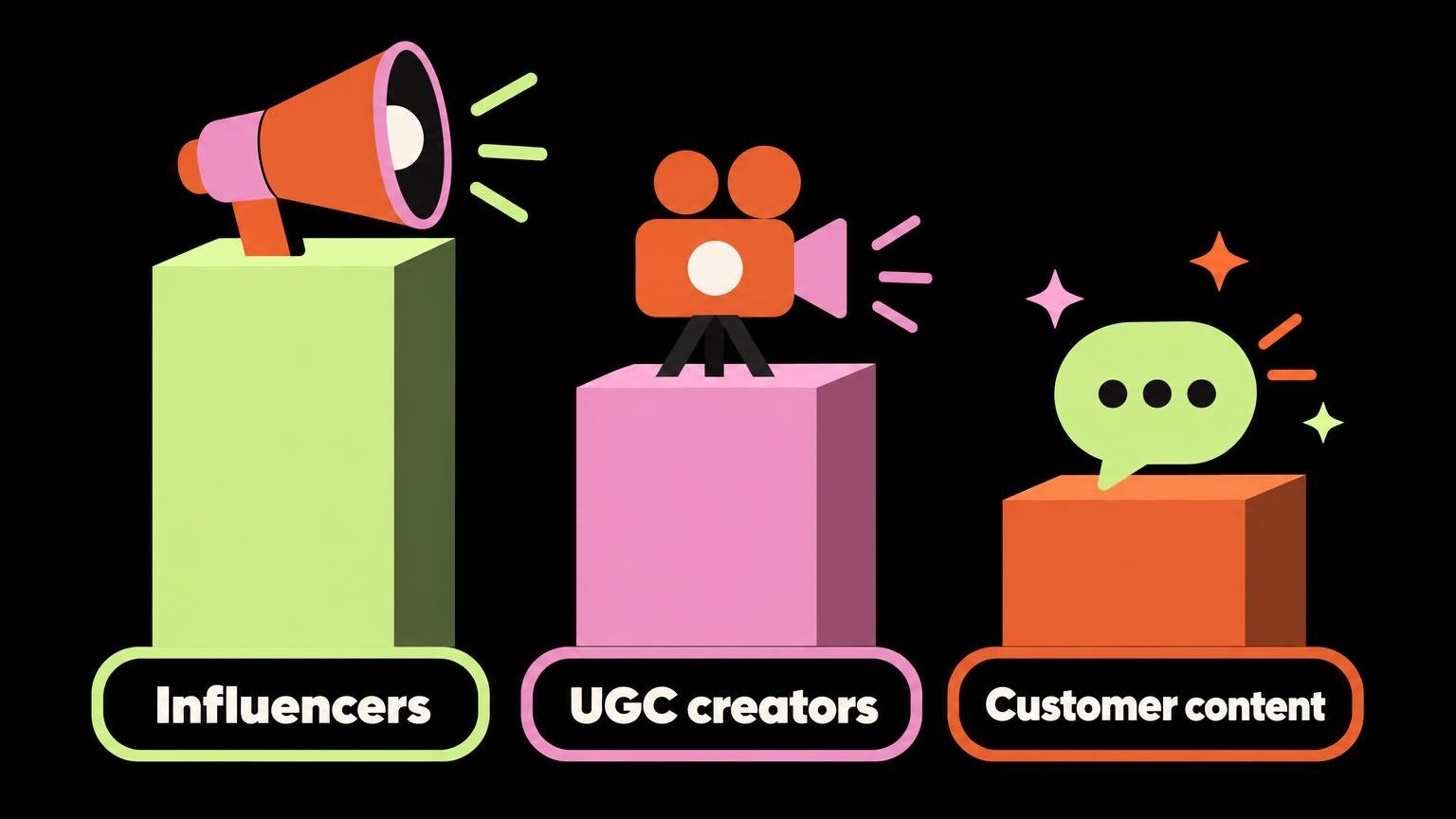
The words get mixed up, so it helps to separate them.
- Influencers post to their own audience. You pay for their reach and their recommendation.
- UGC creators make content for your channels and ads. You pay for the video, not for their followers. Many have small audiences, and that is fine.
- Customer content is what real buyers post without being paid: reviews, unboxings, routines, before-and-afters.
The strongest programmes use all three. Customer content shows you what people actually say about your product. UGC creators turn those words into videos you can post and advertise. Influencers put the best of it in front of new audiences.
Why it works so well for founder-led brands
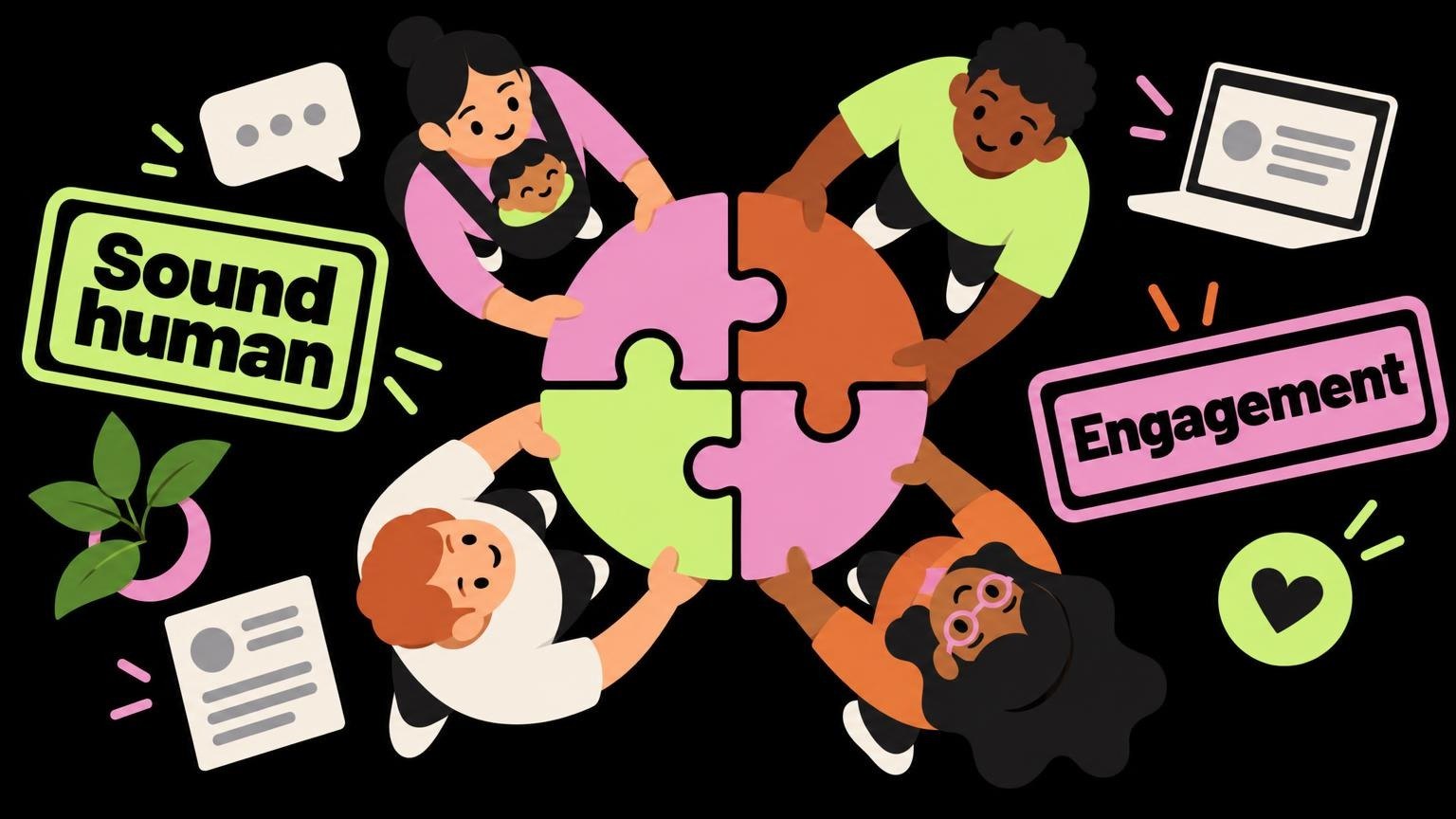
A large brand needs creators to sound human. A founder-led brand already sounds human, so creator content feels like a natural extension of the brand, not a costume.
There are three practical reasons it pays off.
It matches how people buy. In categories such as women’s health, parenting and personal care, buyers want to hear from someone like them before they spend. A mum explaining how she uses a product during the school run says more than any tagline.
It gives you more content than you can make alone. Most small teams cannot film five good videos a week. A handful of creators can, and each one brings a different face, voice and use case.
It makes paid social cheaper to test. Creator videos often outperform studio ads on TikTok and Instagram because they look native to the feed. With several versions you can test hooks quickly and put your budget behind the one that works.
A real example: a femtech app that grew on organic social
Stardust, a cycle-tracking app, is a useful example because most of its growth came from organic social, not from a big ad budget.
Working with Quimby Digital, a women-owned social agency, the brand built a content programme around the topics its audience already talked about: cycles, moods, hormones and the everyday reality of tracking your body. The content was informal, creator-led and made for each platform rather than copied across all of them.
The results, as reported by the agency:
- Instagram grew from about 10,000 to 23,000 followers, and the account was verified.
- TikTok content went viral, and the account passed 90,000 followers.
- A single organic social campaign drove more than 60,000 app downloads.
The lesson is not “go viral”. Nobody can promise that. The lesson is that a clear audience, honest topics and a steady flow of creator-style content gave the brand many chances to break through, and one of them did.
A smaller example points the same way. An unnamed direct-to-consumer parenting brand saw a 117% increase in organic engagement after moving its feed towards creator-style content from real parents.
How to start a creator and UGC programme
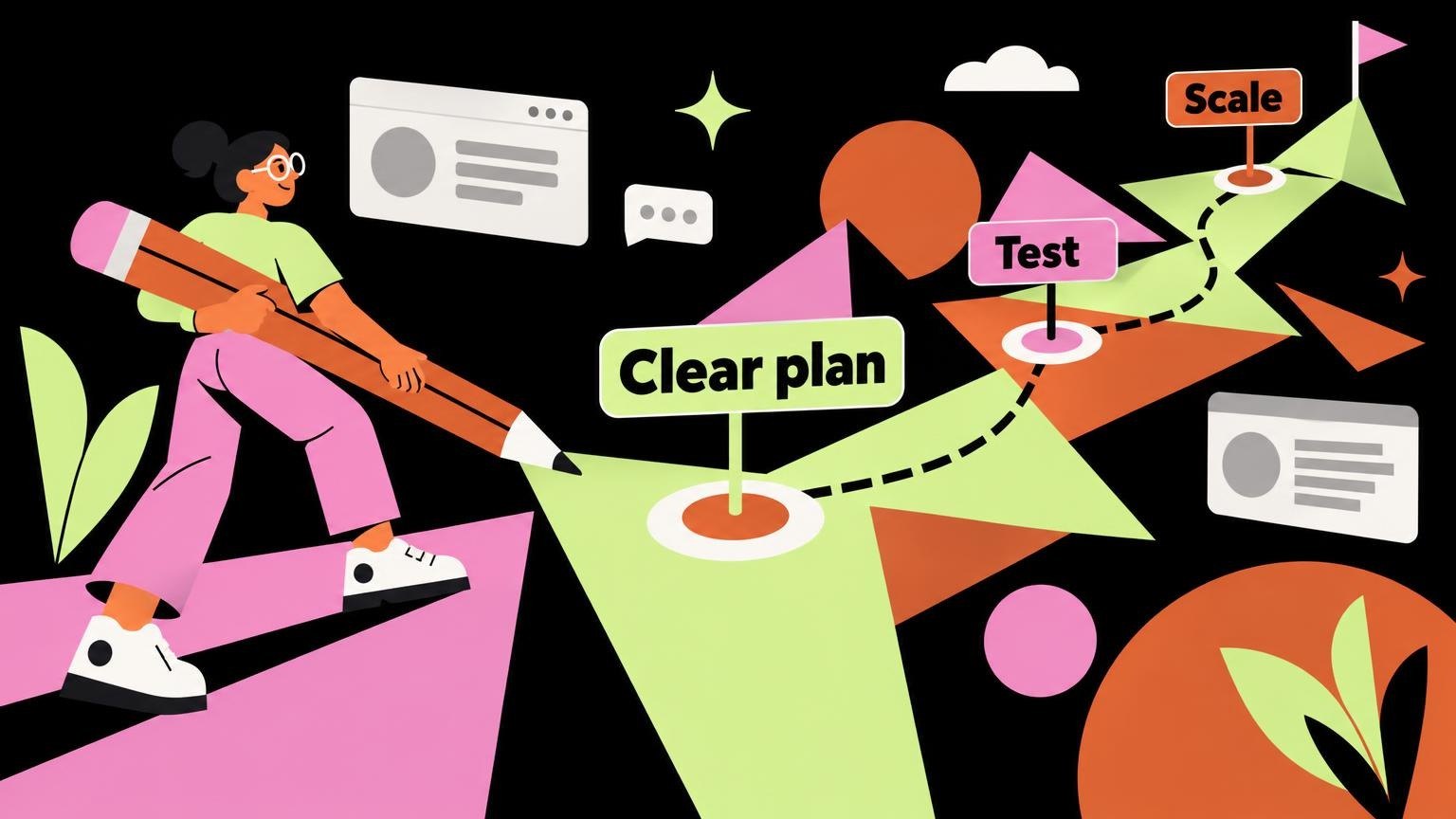
You do not need a big budget to start. You need a clear plan and a way to learn from each round.
1. Write down who you are talking to
Be specific. “Women aged 25 to 45” is not a brief. “First-time mums who are back at work and short on time” is. The more precise you are, the easier it is to choose creators and write hooks.
2. Collect what customers already say
Read your reviews, DMs, customer emails and comments. Copy the exact phrases people use. These become your hooks, your scripts and your ad copy. Customers usually describe the product better than the brand does.
3. Choose creators for fit, not follower count
For UGC, look for people who are in your audience and are comfortable on camera. Ask for two or three past videos and watch them with the sound on. Check that they can explain something clearly in the first three seconds.
For influencers, look at who comments, not only how many follow. A creator with 15,000 engaged followers in your niche is often worth more than one with 300,000 general followers.
4. Brief the idea, not the script
Give creators the problem, the key message, one or two must-say facts and anything they must not claim. Then let them say it their way. Over-scripted videos look like ads, and people scroll past ads.
In regulated areas such as women’s health, supplements or baby products, be strict about claims. Tell creators what they can and cannot say, and check every video before it goes live.
5. Agree usage rights up front
Decide before filming where the content can run (organic, paid ads, your website, email) and for how long. Put it in writing. Changing this later usually costs more.
6. Test, then scale what works
Post several versions and watch the first-three-second hold rate, saves, shares and comments, not only likes. Move ad budget to the best performers and ask those creators for new variations. Retire what does not work without guilt.
Mistakes that waste money
- Paying for reach with no fit. A big creator outside your niche brings views, not buyers.
- Sending the same video everywhere. TikTok, Instagram and Pinterest reward different formats. Edit for each one.
- One-off posts. A single creator post is a lottery ticket. A steady programme over three months gives you data and compounding results.
- No plan for the comments. Creator posts start conversations. Answer questions quickly, or you lose the sale to the next brand.
Doing it yourself or getting help
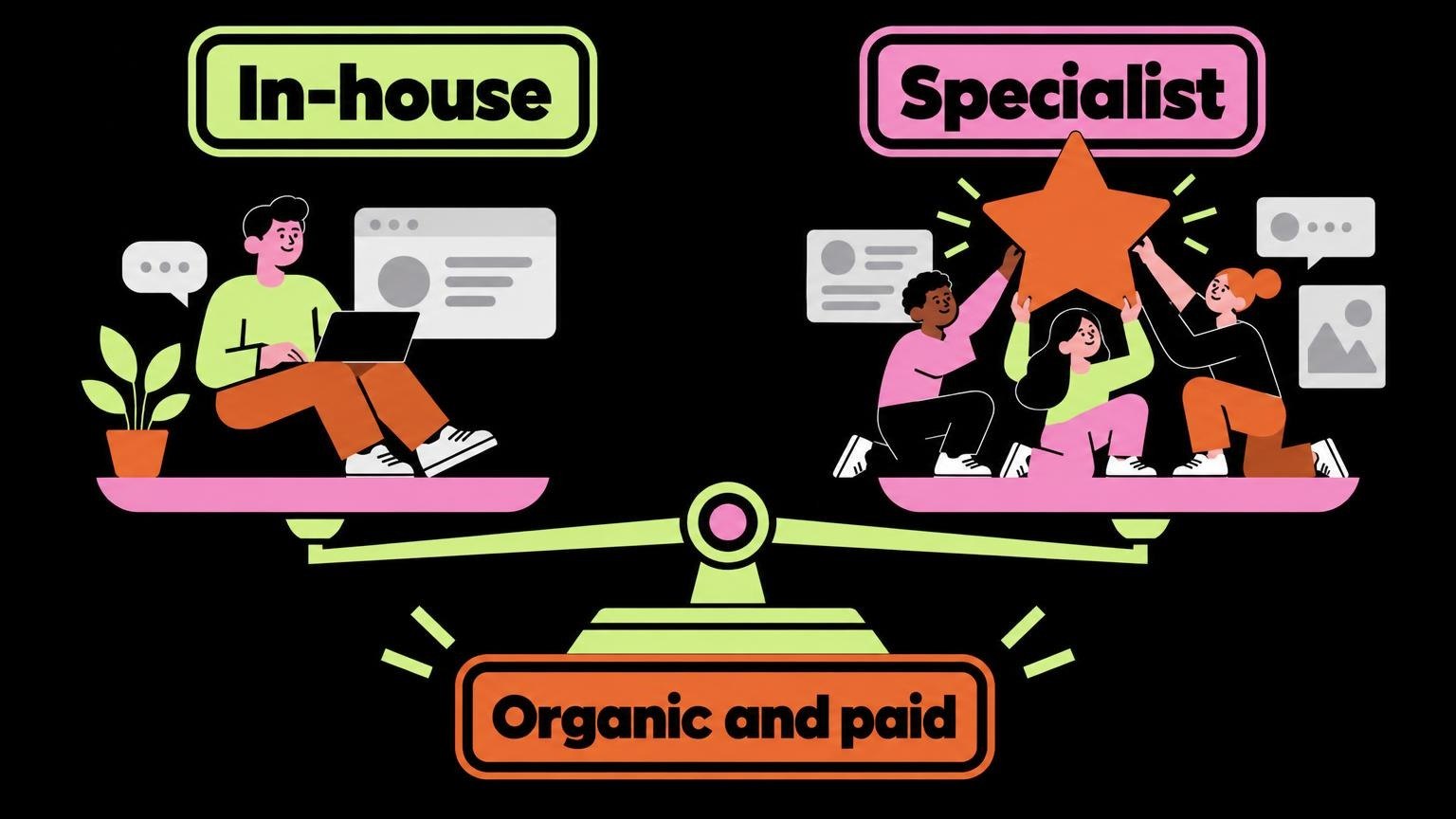
Many founders start in-house: they find three or four creators, run a small test and learn a lot. That is a good way to begin.
As the programme grows, the work grows with it: sourcing and vetting creators, negotiating rates and rights, writing briefs, reviewing content, running paid tests and reporting. That is when some brands bring in a specialist. Agencies such as Quimby Digital, a women-owned social media agency that works with CPG, parenting and women’s health brands, handle creator sourcing, briefing and usage rights alongside organic and paid social, so the content and the ads are planned together.
Whichever route you choose, the principle is the same. Let real people tell the story of your product, give them a clear brief, measure honestly and keep going. For a founder-led brand, that is not a new skill to learn. It is the way you already sell, made bigger.


