
How to plan a roof replacement: Materials, timing, and long-term value

Table of Contents
- Why Roof Replacement Planning Matters
- Should You Repair or Replace the Roof?
- How to Compare Roofing Materials
- When to Schedule the Project
- What Affects Roof Replacement Costs?
- How to Compare Roofing Contractors
- What a Complete Roofing Estimate Should Include
- What to Expect During the Work
- How to Protect the New Roof
- Common Roof Replacement Questions
- Conclusion
A roof replacement is one of the most important investments a homeowner can make. Planning before a small concern becomes a major leak gives you more time to understand your options, prepare a realistic budget, and choose a qualified residential roofing company for the work. Every home is different. Roof age, local weather, ventilation, roof slope, past repairs, and the condition of the underlying deck can all influence the right path forward. A thoughtful plan focuses on reliable protection, not simply the lowest upfront price.
Why Roof Replacement Planning Matters
Waiting for active water intrusion often turns a manageable project into an urgent one. Early planning lets homeowners compare materials, review written estimates, check warranty terms, and schedule work during a suitable weather window. Roof life can vary widely based on material, installation quality, climate exposure, and maintenance.
Should You Repair or Replace the Roof?
A repair can be sensible when the damage is isolated, and the remaining roof has a meaningful service life. Examples include a small leak with a clear source, a few missing shingles, or limited issues with flashing and sealant.
Replacement may be the better value when leaks recur in multiple areas, shingles are broadly cracked or curled, sections sag, or repairs have become frequent. Storm damage and hidden deterioration of the deck can also affect the decision. Rather than guessing from the ground, arrange an inspection and ask for photos and a clear explanation of the findings.
How to Compare Roofing Materials
The best roofing material balances budget, appearance, local weather, maintenance needs, and how long you expect to own the home. Roof coverings work as a system, including underlayment, flashing, ventilation, and edge protection. For a basic overview of common shingle types and how they are installed, see this roof shingle reference.
Common Residential Choices
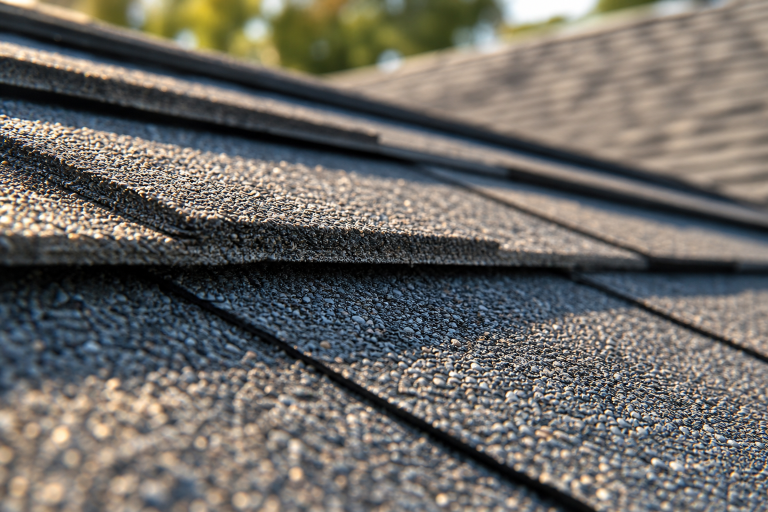
- Asphalt shingles: A practical option with broad color, style, and performance choices. Proper installation and attic ventilation are essential.
- Metal roofing: Often has a higher initial cost but can provide long-term durability when selected and installed correctly.
- Cedar, composite, tile, and slate: These can offer a distinctive appearance and longevity, but weight, maintenance, fire performance, and structural requirements deserve close attention.
Do not choose a material based on appearance alone. A heavier roof may require structural review, while coastal, high-wind, snowy, humid, or wildfire-prone areas can call for specific performance priorities.
When to Schedule the Project
Dry, stable weather can make installation more efficient, but good contractors plan for changing conditions and protect exposed areas as needed. Avoid waiting until a leak forces an immediate decision. Begin research weeks or months before you anticipate needing a replacement, especially during busy seasons or when specialty materials are involved.
A Simple Planning Calendar
- Three to six months ahead: Review the roof condition, finances, and material preferences.
- One to three months ahead: Request detailed estimates and confirm material availability.
- Two to four weeks ahead: Finalize the contract, permits, and property preparation plan.
- Project week: Move vehicles and outdoor items, prepare for noise, and keep pets and children away from work zones.
What Affects Roof Replacement Costs?
A single flat price rarely tells the full story. Cost is influenced by roof size and pitch, material type, product grade, existing roof layers, access, disposal needs, permits, and local labor conditions. Estimates should also address deck repairs, flashing, ventilation, underlayment, and any code-required components. Build a safer budget by comparing scopes line by line, asking which charges are fixed, and setting aside a reserve for concealed damage discovered after the tear-off. The lowest bid may omit essential details that affect performance and future repair costs.
How to Compare Roofing Contractors
Use a consistent screening process for every contractor. Confirm licensing and insurance, read recent reviews from more than one source, request references for similar projects, and ask who will supervise the job. It is also wise to ask whether subcontractors will be used and whether manufacturer training applies to the selected product. Good communication matters. A contractor should be able to explain the scope, timeline, payment schedule, cleanup process, and warranty coverage in writing before work begins.
What a Complete Roofing Estimate Should Include
A complete estimate should identify the roofing brand, product, color, removal terms, disposal plan, underlayment, flashing, ventilation, and property protection measures. It should also include an estimated start date, completion window, payment schedule, warranty information, and a written change-order process for unexpected repairs. Ask for clarification in writing whenever a line item is vague. Clear documentation helps prevent confusion about what is included and who is responsible for additional work.
What to Expect During the Work
Most projects begin with a pre-work review of measurements, materials, access points, and landscaping protection. The crew removes old roofing, checks the deck, completes approved repairs, and installs the new system in sequence. Final cleanup should include debris removal, a property walkthrough, and delivery of warranty and project documents. Plan for significant noise, limited driveway access, and possible attic dust during tear-off. Secure fragile wall hangings, cover attic belongings if practical, and make arrangements for pets that may be stressed by construction activity.
How to Protect the New Roof
Maintenance will not make a roof last forever, but it can keep small issues from becoming expensive ones. Check the roof visually from the ground, clear gutters, trim branches that rub against the shingles, and watch for loose flashing, damaged vents, or stains on the ceiling. Keep invoices, inspection notes, photos, and warranty records in one place. After severe weather, a professional inspection can help identify damage that is not obvious from below.
Common Roof Replacement Questions
How long does a roof replacement take?
Timing depends on roof size, complexity, material, crew size, weather, and the amount of hidden damage found during removal.
Can new shingles go over old shingles?
Local code, existing layers, roof condition, and manufacturer requirements all matter. A tear-off often provides the clearest view of the deck and underlying details.
Does a new roof add home value?
A new roof can improve curb appeal and buyer confidence while reducing immediate maintenance concerns. Results vary by market, material, and project quality, so no specific return should be assumed.
Final Thoughts
A successful roof replacement begins with early planning, careful material selection, complete estimates, and thoughtful contractor screening. By considering long-term performance alongside timing, maintenance, warranty coverage, and total ownership cost, homeowners can make a decision that protects their property for years to come.
Comparing multiple proposals, understanding the scope of work, and asking questions about installation methods and cleanup expectations can also help avoid unexpected issues during the project. Investing time in the planning process often leads to a smoother installation, fewer surprises, and a roofing system that provides dependable protection, improved curb appeal, and lasting value for the home.


