Global logistics shipping for small brands selling to overseas stockists
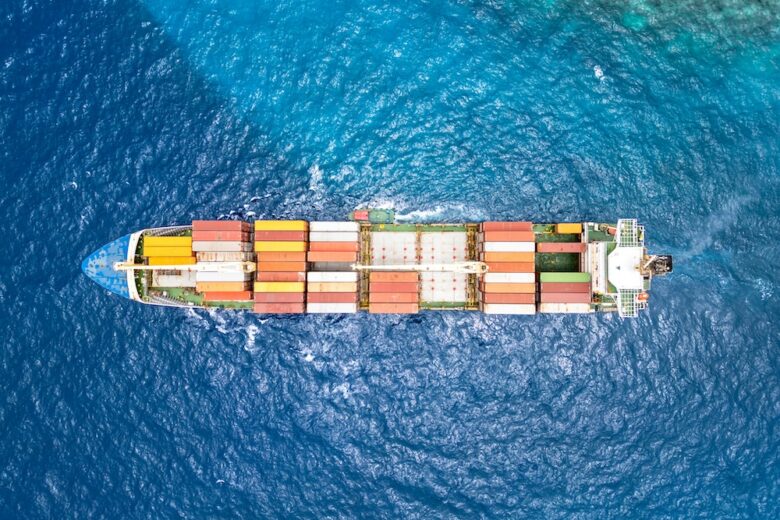
An email lands from a boutique in another country. They love your product and want to place a wholesale order. It’s a great moment, and then the practical questions start: who pays for freight, who deals with customs, and what happens if the boxes get stuck at a border?
Global logistics shipping sounds like something only big companies have to think about, but a single overseas stockist puts it on your desk. Getting a few things agreed early can save money, time and an awkward conversation with a new trade customer.
Why a Wholesale Order Isn’t Just a Bigger Parcel
Sending one order to a shopper abroad is fairly familiar territory for many online sellers. You pick a courier service, print a label, add a customs form and off it goes.
A wholesale order works differently. You’re shipping several cartons, maybe a pallet, to a business that will import the goods and sell them on. That business has its own costs to manage, and it will usually want to know up front what it’s paying for and when the goods become its responsibility.
So the conversation shifts from “how much is postage?” to who handles each step between your stockroom and their shop floor. Leave that vague and you may end up quietly covering costs you never priced in.
Agree Who Pays for What Before You Quote
This is where trade terms come in. The International Chamber of Commerce publishes the Incoterms rules, which it describes as a set of eleven three-letter trade terms used in contracts for the delivery of goods. They set out the tasks, costs and risks involved in getting goods from seller to buyer. The current version, Incoterms 2020, came into force on 1 January 2020.
You don’t need to memorise all eleven. What matters is that you and your stockist agree on one and write it in full on the quote, the order confirmation and the invoice. That means the rule, the named place and the version: for example, DAP (Delivered at Place) followed by your stockist’s full delivery address, then Incoterms® 2020. The named place shows exactly where your side of the deal ends, so a term written without one leaves room for argument.
Some terms leave most of the transport to the buyer, while others put far more of the work and cost on the seller. Each one also splits two things that are easy to mix up: who pays for the freight, and who carries the risk if the goods are lost or damaged on the way. Under some terms those change hands at different points, so a seller can pay the shipping bill while the buyer already bears the risk from the moment the goods reach the first carrier. Check both before you agree, rather than assuming whoever pays for transport also covers any loss.
For a small brand, the right choice often depends on how much you want to manage. Taking on more of the delivery can make you easier to buy from, but it also means you’re carrying more cost and more risk if something goes wrong in transit. Neither approach is wrong. It just needs to be a decision you’ve made on purpose, with the numbers in front of you.
Get the Product Code Right
Every product that crosses a border is classified under a customs code. Most countries build theirs on the Harmonized System, maintained by the World Customs Organization. According to the WCO, the system groups goods under six-digit codes used by over 200 countries and economies as a basis for customs tariffs and trade statistics, and it covers over 98% of merchandise in international trade.
That code affects how your goods are treated at the border, including the duty rate the importer may be charged. Many countries add extra digits to the six-digit base, so the full code your stockist uses may be longer than the one on your own records.
A wrong code can lead to delays, queries or a different duty bill than anyone expected. If you’re unsure which code fits, check your country’s official tariff lookup or ask a customs broker before you send the quote, not after the goods have left.
When It Makes Sense to Bring in a Freight Forwarder
A couple of cartons can often go by courier. Once orders get larger or more regular, though, it can be worth talking to a freight forwarder, who books space with carriers and coordinates the route on your behalf.
If you’d rather have one contact for booking freight and handling customs, look for a provider that combines global logistics shipping with customs brokerage, so you don’t have to coordinate the two services separately. It also means there’s one place to ask when a shipment is held up.
Before you sign up with anyone, a short list of questions helps:
- Which transport options do they quote for an order your size, such as air, sea or road?
- Do they arrange customs clearance, or will you need a separate broker?
- How will you track the shipment, and who do you call if it stalls?
- What’s included in the quote, and which charges could be added later?
Get the answers in writing. Comparing two or three quotes side by side will quickly show you where the costs sit.
The Paperwork Your Stockist Will Expect
Requirements vary by country and product, so treat this as a starting point rather than a full checklist. Wholesale shipments commonly travel with:
- A commercial invoice showing the goods, their value, the agreed trade term and the product codes
- A packing list that matches what’s physically in each carton
- Any certificates or licences that apply to your type of product or destination
Some buyers also ask for proof of where the goods were made, since origin can affect the duty they pay. Ask your stockist what their customs agent needs before you pack, because chasing a missing document after dispatch is far harder than adding it beforehand.
Price the Order So Your Margin Survives
Wholesale prices usually leave less room than retail, so shipping costs that slip through the cracks can wipe out much of the profit on an order. Build the agreed share of freight, insurance, export packing and any customs fees into your wholesale price list or quote it as a separate line.
Sturdier outer cartons, pallet wrapping and labels in the right format all cost money too. They’re easy to leave out of an early quote.
It’s also worth deciding in advance how you’ll handle damaged goods or short deliveries. A simple written note on who reports what, and within what timeframe, keeps a small problem from turning into a dispute with a customer you’d like to keep.
Final Thoughts
An overseas stockist is a real vote of confidence in what you’ve built. The shipping side doesn’t have to be overwhelming, but it does need some decisions made before the order is confirmed rather than after the cartons are on a lorry.
Agree the trade term, check the product code, line up the paperwork and price in the true cost of getting goods there. Do that once, carefully, and the next international order will feel far more manageable.