From stock photos to AI training data: How photographers are adjusting
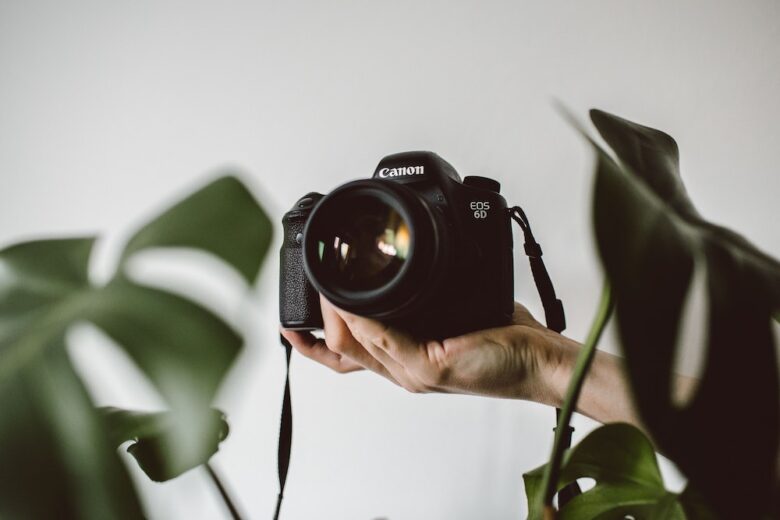
Stock photography used to only mean shoot, upload, wait for downloads, collect royalties. That system still exists, but something else has grown next to it, and it pays differently. Instead of getting paid per download, photographers are getting paid to license catalogs for companies training image generation models.
The Shift From Downloads to Datasets
Take a wedding photographer with fifteen years of archives sitting on a hard drive. Under the old model, those images earn a few cents each time someone licenses one for a blog post or ad. Under the new model, a company training a generative model might buy the whole archive at once. The per-image payout is smaller, sometimes a fraction of a cent, but the volume changes the math.
A photographer who never sold much through traditional stock can suddenly find their older, less commercially interesting shots worth something, because a model doesn’t care if a photo is “beautiful.” It cares if the photo is labeled correctly and represents something useful, like a specific lighting condition or an unusual angle on a common object.
This is why several major platforms have started running their own versions of this:
- Adobe Stock pays eligible contributors from a bonus pool tied to how their images are used in Firefly training.
- Shutterstock built a dedicated fund to compensate creators whose work ends up training AI models.
- Getty Images partners directly with Nvidia, keeping the data fully cleared and compliant from the start.
- Wirestock lets creators license their catalogs specifically for AI training use.
Photographers looking to get into this side of the industry usually start the same way they’d look for any other gig, by checking where freelance photography jobs are actually posted, since data contribution work often shows up mixed in with regular licensing opportunities.
Learning a New Kind of Editing
The technical side has changed too. A photographer who spent years mastering a camera is now expected to understand how a model reads an image. That means writing captions that describe exactly what’s in the frame, not what it evokes. A caption like “golden hour warmth on a quiet street” tells a human viewer something. It tells a model almost nothing useful. A caption like “empty two-lane street, wet pavement, streetlights on, dusk” gives the model something it can actually learn from.
Some photographers have gone further and started blending AI generation into their own process. They’ll generate a rough base image with a prompt, then shoot reference photos or apply their own post-processing on top of it, treating the AI output the way they’d treat a sketch.
Others have moved into rendering synthetic environments for robotics or automotive companies that need thousands of variations in different lighting and weather to train a sensor.
When Photographers Say No
Not everyone wants their work used this way, and a real resistance movement has formed around it. Tools like Glaze and Nightshade let photographers apply pixel-level changes to an image that are invisible to a human eye but confuse a model trying to learn from it.
Nightshade in particular is built to actively corrupt training data, making a model associate a photo of a dog with the visual features of a car if enough poisoned images get scraped into its dataset.
Photographers pair this with simpler steps too, like adding “NoAI” tags to their website code so scraping bots know to skip their files.
The Bigger Shift
None of this means traditional stock photography is disappearing. It means photographers now have two markets instead of one. A landscape shot can still sell as a print or an ad license the old way, while a completely different set of images from the same archive gets pulled into a dataset deal that never would have made money under the old system.
Similarly, freelance illustrators are leaning into AI-assisted workflows and pairing it with traditional commission projects.
FAQs
Do I keep the copyright to my images after licensing them for AI training?
It depends on the platform and the specific deal. Some licenses are non-exclusive, meaning you can still sell the same images elsewhere. Others require exclusivity for the training use. Read the terms before signing, since they vary more than standard stock licensing.
Is this only worth it if I have a huge archive?
No. Volume helps, but smaller archives with strong metadata and unusual subject matter can still get picked up, especially for niche use cases like robotics training or medical imaging datasets, where variety matters more than sheer quantity.
Can hobbyist photographers participate, or is this only for professionals?
Most platforms don’t require professional status, just a catalog that meets their quality and metadata standards. The bar is usually about how usable and well-labeled the images are, not who took them or with what gear.
How is an AI training license different from a regular stock license?
A standard stock license lets a buyer use your image in something like an ad or a blog post. An AI training license lets a company feed your image into a model so it learns patterns from it. The image itself may never appear anywhere again, but it shapes what the model generates going forward.