
Farm land financing: Documents, costs, and questions to ask before you buy

Key Takeaways
- Farm land financing decisions depend on cash flow, experience, collateral, and the property’s earning potential, not credit history alone.
- Organizing financial records, production history, and a realistic business plan can make the application process smoother.
- Buyers should compare the total cost and repayment structure of each loan, not simply the interest rate or monthly payment.
- Careful property due diligence can uncover access, water, zoning, title, or repair concerns before they become expensive problems.
Buying acreage is a major business decision, and the right farm loan structure should support the operation long after closing day. Before making an offer, buyers need to understand what they can afford during ordinary years as well as years with lower yields, weaker prices, or unexpected repairs. Farm land financing requires a close look at both the borrower and the property. Lenders want to see whether the farm can produce enough income to cover debt payments, operating costs, household expenses, and a reasonable reserve for setbacks.
What Buyers Should Know About the Market
Land values can remain strong even when farm income and credit conditions are under pressure. Recent agricultural credit conditions in the Tenth Federal Reserve District showed firm farmland values alongside gradual tightening, a reminder that a high-value property is not automatically affordable. Input costs, weather exposure, commodity prices, livestock markets, and local rental demand can all change a farm’s ability to service debt. Build a purchase budget around conservative income assumptions. A property should fit the operation’s long-term cash flow, rather than the buyer’s best recent year.
Common Farm Land Financing Options
There is no single financing route that works for every producer. The best fit depends on the buyer’s experience, down payment, debt load, intended use of the land, and need for flexibility.
- Conventional agricultural loans: Often suit established operators with dependable financial records, collateral, and repayment capacity.
- Farm Credit System loans: May provide long-term real estate financing designed around agricultural ownership and operations.
- USDA programs: Qualified applicants may have access to direct, guaranteed, down payment, or joint financing options.
- Seller financing: Can offer flexible terms, but the agreement should be reviewed carefully by legal and financial professionals.
- Joint financing: May combine lender, seller, state, or public funding to reduce the amount coming from one source.
For eligible buyers, farm ownership loans can help finance farmland purchases, improvements, or expansion projects. Program requirements, terms, loan limits, and available funding can change, so confirm current details before relying on a specific option.
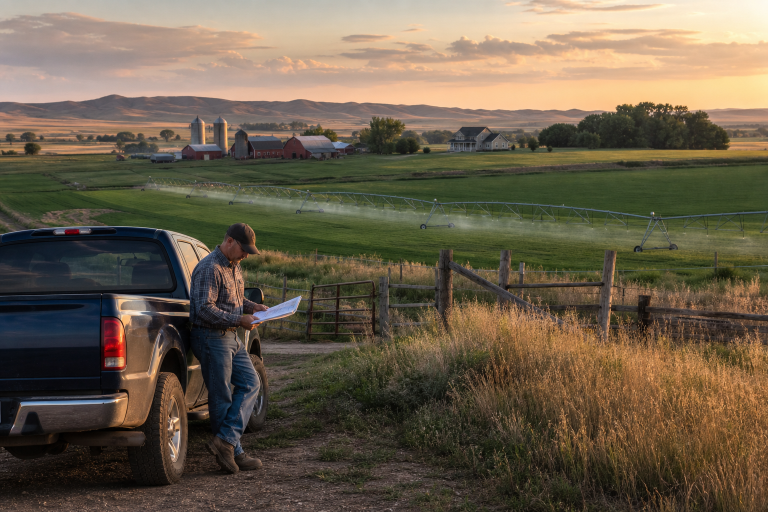
Documents to Prepare Before Applying
A complete application gives the lender a clear picture of repayment ability. Gather records early, especially if the purchase contract will have a short financing deadline.
- Three years of personal and business tax returns.
- A current balance sheet listing assets, liabilities, liquidity, and outstanding loans.
- Profit-and-loss statements, recent income records, and household expense information.
- Production history, yield records, leases, marketing contracts, and livestock records when applicable.
- A written business plan with conservative revenue and expense projections.
- Details about equipment, buildings, livestock, and other collateral.
- A purchase agreement or property listing information.
If a recent year was affected by drought, disease, flood damage, or an unusual market event, explain it clearly and provide supporting documentation. Context helps a lender distinguish a temporary problem from an ongoing weakness.
How to Review the Property
Lenders evaluate farmland as real estate and as a productive asset. A lower purchase price may not be a bargain if the land has poor access, limited water, expensive repairs, or restrictions that reduce its usefulness.
Important Property Checks
- Confirm legal road access and responsibility for private-road maintenance.
- Review water rights, wells, irrigation equipment, drainage, ponds, and storage capacity.
- Check soil quality, usable acreage, slope, flood exposure, and conservation restrictions.
- Verify zoning, easements, agricultural rules, and potential development limitations.
- Inspect fencing, barns, utilities, housing, outbuildings, and equipment storage.
- Consider environmental testing if prior chemical use, dumping, or fuel storage raises concerns.
Professional surveys, appraisals, inspections, title work, and environmental reviews add costs, but they can uncover issues that affect value, insurance, financing, and future operating plans.
Costs Beyond the Loan Payment
The scheduled principal and interest payment is only part of the ownership budget. Buyers should account for the full cash requirement before deciding what they can afford.
- Down payment, earnest money, loan fees, appraisal, survey, title, and legal expenses.
- Property taxes, insurance, repairs, road work, fencing, wells, and utility upgrades.
- Equipment purchases, lease obligations, maintenance, and replacement needs.
- Operating cash for seed, feed, fertilizer, fuel, labor, and seasonal expenses.
For example, a buyer may comfortably handle a land payment but run short of cash after replacing the fence, repairing the well, purchasing livestock, and funding spring inputs. Maintaining a reserve can prevent a promising purchase from creating immediate financial strain.
Questions to Ask a Lender
- What loan-to-value range applies to this type of property?
- Is the rate fixed, variable, or adjustable?
- What is the amortization period, and is there a balloon payment?
- Are there renewal reviews, prepayment penalties, or annual reporting requirements?
- How do you evaluate off-farm income, seasonal income, and projected farm earnings?
- Can the financing include improvements, closing costs, or refinancing?
- How would lower commodity prices or farm income affect loan terms?
- How long should approval and closing take?
Mistakes That Can Delay Approval
Common setbacks include making an offer before understanding borrowing limits, using overly optimistic yield assumptions, omitting personal debt or household costs, and relying on outdated financial statements. Buyers can also run into trouble by ignoring questions about access, water, zoning, title, or environmental issues until late in the process. Avoid using short-term operating debt to fund a long-term land purchase. Start discussions early, organize documents, and ask lenders where the application may be weak while there is still time to address concerns.
A Simple Pre-Application Checklist
- Set a purchase budget based on conservative cash flow.
- Review credit, existing debt, liquidity, and cash reserves.
- Gather tax returns, balance sheets, income statements, and production records.
- Create a realistic business plan and ownership budget.
- Verify access, water, title, zoning, and property condition.
- Compare written terms from more than one financing source.
- Keep funds available for repairs, operations, and unexpected setbacks.
Conclusion
Successful farm land financing starts before the application is submitted. Buyers who prepare complete records, inspect the property carefully, test their cash flow, and compare repayment structures are better positioned to make a sound decision. It is also important to account for property taxes, insurance, maintenance, equipment, utilities, and other operating costs that may continue after closing.
Reviewing interest rates, loan terms, down payment requirements, repayment schedules, and potential fees can help buyers understand the true cost of financing. A realistic budget should also include reserves for unexpected repairs, poor harvests, changing market conditions, or other disruptions. Buyers should understand how the land will generate value and whether projected income can comfortably support loan payments. The goal is not simply to acquire acreage. It is about choosing financing that leaves the farm room to operate, adapt, and grow while maintaining sufficient financial flexibility for future opportunities and challenges.


