
Essential exterior home improvements for durability and style

Prioritizing Exterior Home Improvements for Maximum Return on Investment
When considering exterior home improvements, understanding which projects offer the best return on investment (ROI) is paramount. Our research consistently shows that exterior upgrades are among the most financially rewarding. In fact, eight of the 10 home improvements with the highest ROI are on the outside of the home. This isn’t just about aesthetics; it’s about making a smart investment that pays off, especially if you plan to sell your home in the future.
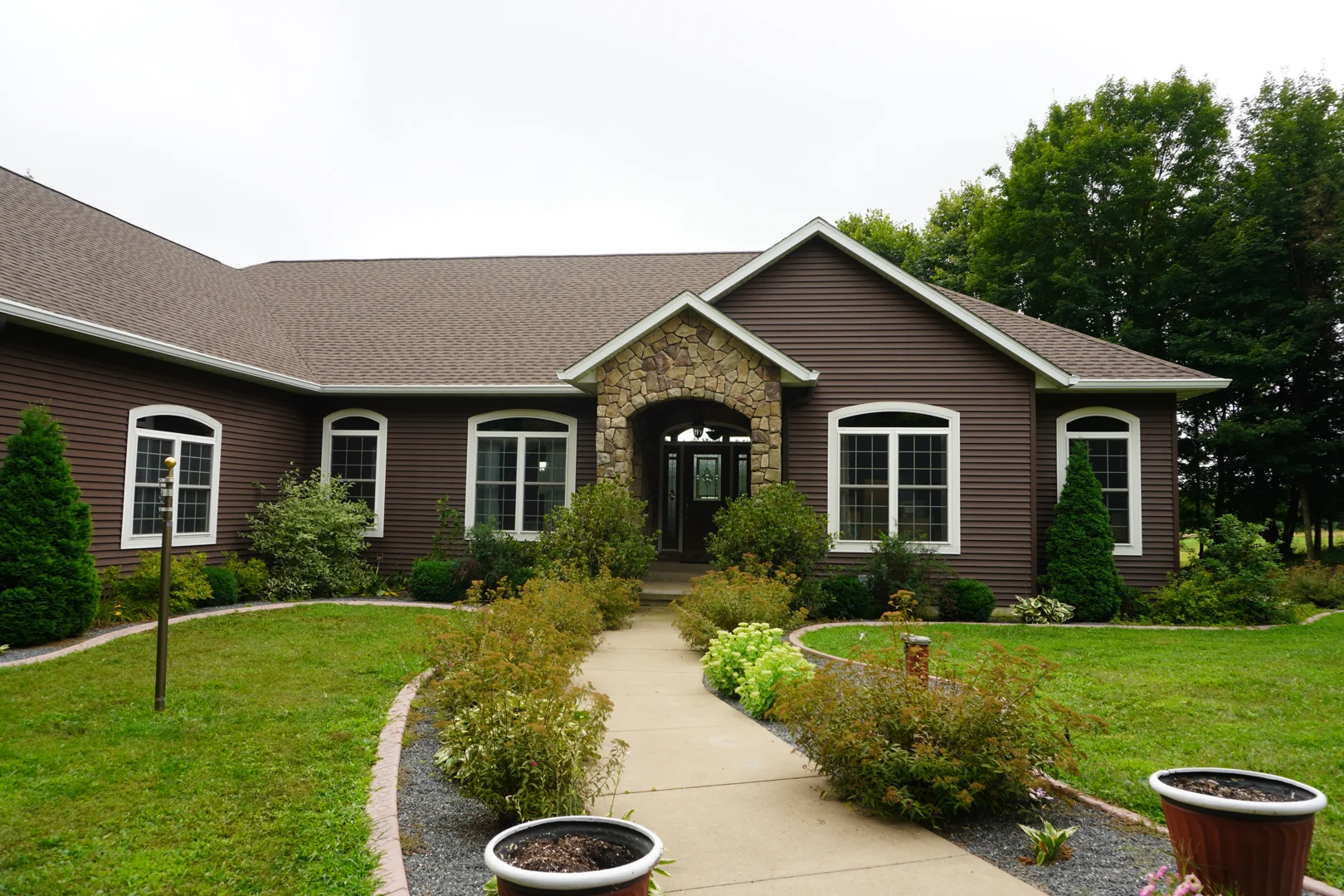
A home’s exterior is its most visible asset, directly influencing curb appeal and digital curb appeal – the first impression buyers form online. A well-maintained and attractive exterior instills buyer trust, signaling that the home has been cared for. Zillow statistics highlight this, showing how even small details can significantly impact perceived value. For instance, a welcoming entrance can set a positive tone for the entire property, influencing offers and even appraisal values.
Balancing Necessary Repairs and Cosmetic Exterior Home Improvements
Before diving into cosmetic upgrades, it’s crucial to address any necessary structural repairs. Deferred maintenance, such as a leaking roof, rotting wood on siding or trim, or a failing foundation, can be major red flags during a home inspection and significantly reduce your home’s value. These are not just aesthetic issues; they are foundational problems that can lead to more extensive and costly damage if left unaddressed. Prioritizing these repairs ensures the structural integrity of your home, protecting your investment from the inside out.
Once essential repairs are handled, cosmetic upgrades can dramatically enhance curb appeal. Simple actions like pressure washing the exterior, cleaning gutters, and refreshing exterior paint can make a world of difference. When it comes to exterior painting, current color trends often lean towards neutral and earthy tones, which appeal to a broader range of buyers. Interestingly, even the color of your front door can impact perceived value. Homes with black front doors, for example, have been observed to see offers that are $6,450 more than similar homes without them, according to Zillow’s findings. This illustrates how thoughtful cosmetic choices can yield tangible financial benefits.
High-ROI Upgrades That Attract Buyers
Certain exterior improvements consistently deliver impressive returns, making them excellent choices for homeowners looking to maximize value.
One of the standout projects is a garage door replacement, which boasts an average ROI of 194%, returning approximately $8,700 on an average cost of $4,500. Similarly, a steel entry-door replacement offers an impressive 188% ROI, recouping around $4,400 from an average cost of $2,300. These are relatively affordable projects that significantly enhance a home’s first impression and security.
Outdoor living spaces are also highly sought after. Adding a wood deck, for instance, offers an 83% ROI on an average cost of $17,600, creating valuable functional space for entertainment and relaxation. Landscaping, often overlooked, is another powerful tool. Homes with well-maintained landscaping sell for 2% more and about a day faster, showing the immediate impact of a beautiful outdoor environment. Even subtle enhancements like outdoor lighting can increase sale prices by 1.2%.
For those looking for more unique selling points, Zillow’s research indicates that homes equipped with an outdoor TV sold for 3% more. And for luxury properties, homes with saltwater pools sell for 1.8% more than comparable homes without one, highlighting a preference for specific, high-end amenities. These statistics underscore the power of strategic exterior investments in attracting buyers and securing higher offers.
Structural Protection: Roofing, Siding, and Gutter Systems
The exterior of your home acts as its primary shield, forming a protective envelope against the elements. A robust roofing system, durable siding, and efficient gutters work in synergy to protect your home from moisture, wind, and temperature fluctuations. This comprehensive approach to exterior protection is critical for maintaining structural integrity and preventing costly damage. For comprehensive solutions that ensure your home’s long-term resilience, exploring professional services in roofing and exterior remodeling can provide invaluable expertise.
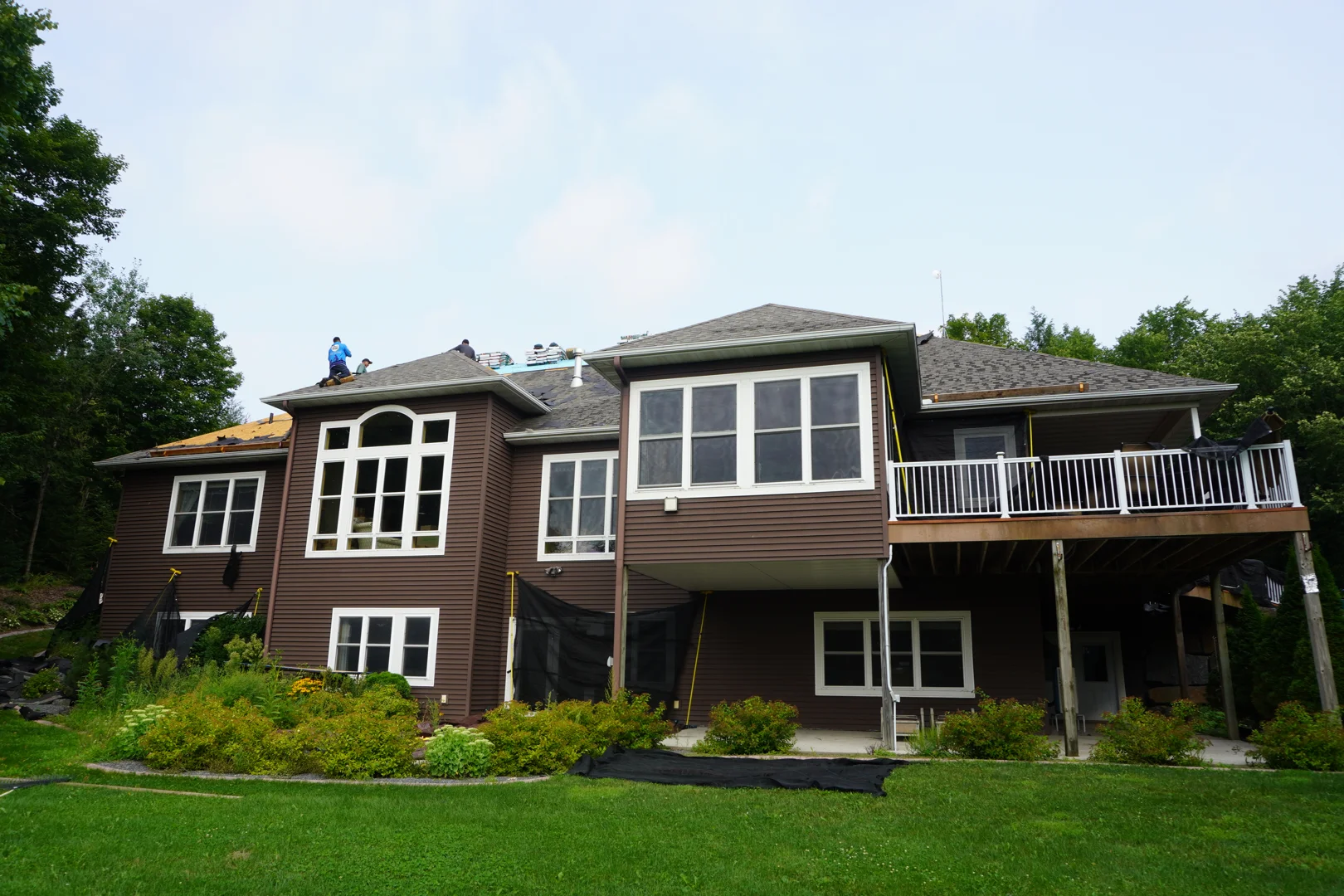
Roofing Systems and Weather-Resistant Siding
Your roof is arguably the most critical component of your home’s protective envelope. Asphalt shingles, including architectural shingles, are popular choices due to their balance of cost, durability, and aesthetic versatility. While the typical lifespan of a roof varies, factors such as product quality, professional installation, proper attic ventilation, regular maintenance, and local weather exposure all play a significant role. For instance, some architectural shingles are rated to withstand wind speeds up to 110 to 130 mph when installed as part of the manufacturer’s recommended system, offering superior protection against severe weather.
Siding also plays a dual role, providing both aesthetic appeal and a crucial moisture barrier. Different materials offer varying benefits:
Siding Material Average Cost (per sq. ft.) Durability Aesthetics Maintenance Vinyl $3 – $8 Good (resistant to rot, insects) Wide range of colors/styles Low (occasional cleaning) Fiber Cement $6 – $15 Excellent (fire, pest, rot resistant) Mimics wood, brick, stucco Low (repainting every 10-15 years) Wood $5 – $15+ Good (natural, customizable) Classic, rustic, modern High (regular painting/staining) A vinyl siding replacement, for example, has an average national cost of $17,400, with an 80% ROI ($13,900), making it a cost-effective upgrade that enhances both protection and curb appeal. Fiber cement, like James Hardie products, is praised for its exceptional durability and resistance to harsh weather, making it a premier choice for many homeowners. Wood siding offers a classic aesthetic but requires more maintenance to prevent rot and pest issues. Choosing the right siding material depends on your budget, desired aesthetic, and local climate considerations.
Seamless Gutters, Soffits, and Fascia
The often-overlooked components of gutters, soffits, and fascia are vital for protecting your home from water damage. Gutters are designed to channel water runoff away from your roof and foundation. Seamless gutters, which are custom-fabricated on-site, eliminate the seams found in traditional sectional gutters. This significantly reduces the risk of leaks and debris buildup, ensuring more efficient water diversion and better protection for your siding and foundation.
Soffits, located underneath your roof’s eaves, provide essential ventilation for your attic, preventing heat and moisture buildup that can lead to mold, rot, and higher energy bills. Fascia boards, which run along the edge of your roof, support the gutters and protect the roof’s edge from weather damage. In regions like Wisconsin, where winter weather can be severe, well-maintained soffits and fascia are critical for preventing ice dams, which occur when melting snow refreezes at the roof’s edge, causing water to back up and potentially leak into your home. Regular inspection and timely replacement of these components are crucial for comprehensive home protection.
Enhancing Energy Efficiency and Security with Windows and Doors
Upgrading your windows and doors is a powerful way to enhance both the energy efficiency and security of your home. Old, drafty windows and poorly insulated doors can be significant sources of energy loss, leading to higher utility bills. Modern replacements offer advanced features that not only save you money but also improve comfort and peace of mind. For homeowners looking to maximize these benefits, exploring professional energy-efficient window installations can provide tailored solutions.
Upgrading Windows for Thermal Performance
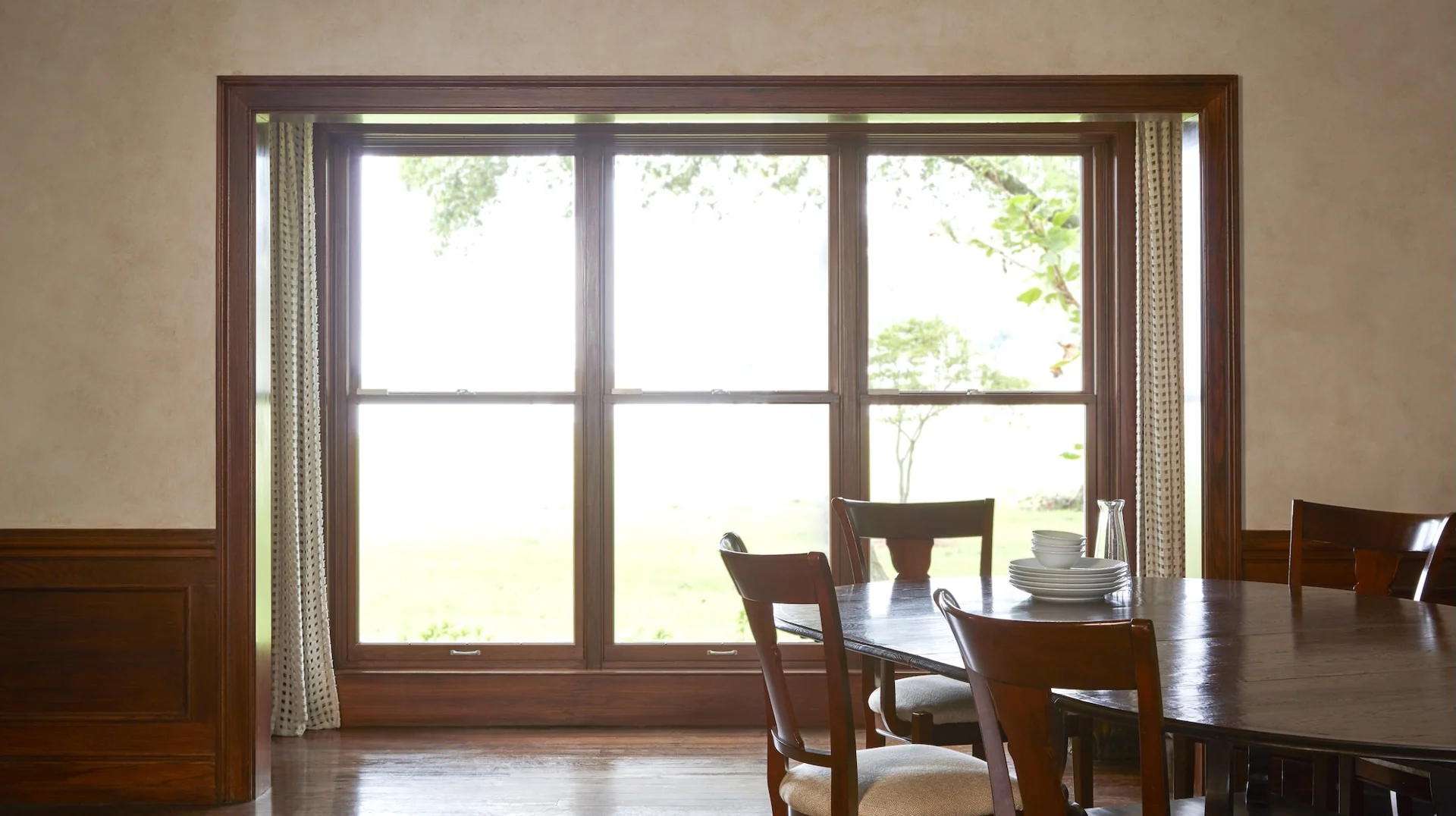
Replacing old windows with energy-efficient models is one of the most impactful upgrades for thermal performance. There are several common types of windows, each with its own benefits:
- Double-hung windows allow both the top and bottom sashes to open, offering versatile ventilation.
- Single-hung windows only allow the bottom sash to open.
- Casement windows crank open outward, providing excellent ventilation and an unobstructed view.
- Sliding windows glide horizontally.
Materials like vinyl, fiberglass, and wood each offer distinct advantages. Vinyl windows are popular for their affordability and low maintenance. Fiberglass provides superior durability and insulation, while wood offers classic aesthetics and natural insulation.
When choosing new windows, look for the Energy Star label, which indicates that the product meets strict energy efficiency guidelines. Key features to consider include a high R-value (a measure of thermal resistance), multiple panes of glass (double or triple-paned), low-emissivity (Low-E) coatings, and inert gas fills (like argon or krypton) between panes. These technologies significantly reduce heat transfer, preventing drafts and maintaining consistent indoor temperatures year-round. A vinyl window replacement, for example, costs $21,200 on average and yields a 67% ROI ($14,200), demonstrating both energy savings and resale value.
Selecting Front Doors for Architectural Alignment and Security
Your front door is a focal point of your home’s exterior, offering both aesthetic appeal and critical security. Choosing the right style and material can significantly enhance curb appeal and complement your home’s architectural style.
- Steel entry doors are renowned for their security and affordability. They are durable but can be susceptible to dents and rust if not properly maintained.
- Fiberglass doors offer an excellent balance of energy efficiency, durability, and low maintenance. They can mimic the look of wood without the associated upkeep.
- Wood doors provide a classic, rich aesthetic but require more maintenance to prevent warping, rotting, or cracking.
When selecting a front door, consider your home’s architectural style. A Craftsman-style home might benefit from a solid wood door with multi-pane glass inserts, while a Midcentury modern home would suit a door with clean lines and perhaps a single large glass panel. Farmhouse styles often feature simple, rustic doors, sometimes with X-bracing. Beyond aesthetics, prioritize security features such as multi-point locking systems and reinforced frames. Insulation is also key; a well-insulated door will contribute to your home’s overall energy efficiency. As noted earlier, a steel entry-door replacement offers an impressive 188% ROI, making it a highly valuable upgrade for both security and aesthetic impact.
Expanding Functionality with Outdoor Living Spaces and Hardscaping
Extending your living area beyond the interior walls can significantly enhance your home’s functionality and overall value. Outdoor living spaces provide areas for relaxation, entertainment, and connection with nature, making your property more enjoyable and appealing to potential buyers. From comfortable decks to inviting patios, these additions transform unused yard space into valuable extensions of your home. When planning these enhancements, don’t overlook the importance of durable and attractive foundational elements like residential concrete driveways, which can tie your entire exterior aesthetic together.
Decks, Patios, and Screened-In Porches
Decks and patios are among the most popular outdoor living additions. A wood deck offers a natural, warm aesthetic and can be customized to various shapes and sizes. Composite decks, made from a blend of wood fibers and plastic, provide a low-maintenance alternative, resisting rot, splinters, and fading. Adding a wood deck offers an 83% ROI, for an average cost of $17,600, highlighting its strong appeal.
Screened-in porches provide a sheltered outdoor space, protecting you from insects and harsh weather while allowing you to enjoy fresh air. They are ideal for dining, relaxing, or creating an outdoor entertainment zone. For those who enjoy outdoor entertainment, homes equipped with an outdoor TV sold for 3% more, showing how specific amenities can drive value. And for luxury, homes with saltwater pools sell for 1.8% more than comparable homes without one, indicating a premium for this particular outdoor feature. These spaces not only increase square footage but also enhance the lifestyle your home offers.
Hardscaping and Landscaping Upgrades
Hardscaping elements, such as concrete driveways, brick pavers, and walkways, define the structure and flow of your outdoor areas. A well-designed driveway not only improves access but also significantly boosts curb appeal. Walkways guide visitors and protect your landscaping from foot traffic.
Thoughtful landscaping complements these hardscaped areas. This can include planting mature trees and shrubs, creating flower beds with seasonal color, or installing low-maintenance ground cover. Outdoor lighting, including pathway lights, accent lights, and security lighting, extends the usability of your outdoor spaces into the evening and enhances safety. As noted in our research, homes with nice landscaping sell for 2% more and about a day faster, demonstrating the immediate impact of a well-designed and maintained exterior environment. These elements collectively contribute to a cohesive and inviting outdoor aesthetic that adds substantial value.
Budgeting, Financing, and Navigating Rebates for Exterior Projects
Embarking on exterior home improvements requires careful planning, especially when it comes to budgeting and financing. Understanding the potential costs and available financial incentives can help you make informed decisions and ensure your project is both successful and affordable. When planning, we always recommend consulting neutral sources like the Better Business Bureau to research contractors and ensure you’re working with reputable professionals.
Understanding Project Costs and Financing Options
The cost of exterior home improvements can vary widely, typically ranging from the upper four figures to the mid-five figures, and sometimes even higher for extensive renovations. For instance, a roof replacement can cost tens of thousands of dollars, with severe cases potentially costing much more. The final price depends on numerous factors, including the size and pitch of your roof, the number of existing layers, the condition of the decking, the chosen materials, and labor costs. A lower price quote may reflect differences in material quality, project scope, cleanup procedures, warranty coverage, or installation details, so it’s crucial to compare proposals thoroughly.
Many homeowners find that financing options are available to help manage these significant investments. Loan amounts up to $100,000 unsecured may be available for qualifying homeowners, with final approval, rates, and terms based on lender review and credit qualification. We encourage homeowners to explore these options to make necessary or desired improvements accessible without depleting savings. Always discuss financing details with your contractor or a financial advisor to understand what best fits your budget.
Navigating Energy Rebates and Tax Credits for Exterior Home Improvements
Beyond traditional financing, homeowners may be eligible for various energy rebates and tax credits, which can significantly offset the cost of certain exterior upgrades. For example, in Wisconsin, homeowners may qualify for Focus on Energy rebates for qualifying insulation and air-sealing work, such as attic insulation, air sealing, wall insulation, foundation insulation, and duct sealing. These rebates are typically for energy efficiency improvements within the home’s envelope, not for roof replacement itself, unless it directly contributes to eligible insulation upgrades. Rebate amounts and eligibility rules change over time, and homeowners should confirm current program rules before starting work.
Additionally, federal tax credits can provide further savings. The Section 25C Energy Efficient Home Improvement Credit, for instance, has historically been available for qualifying improvements placed in service through December 31, 2025 (as of July 2026). This credit covers a percentage of the cost of eligible energy-efficient home improvements, including certain windows, doors, and insulation. We always recommend consulting a tax professional to understand the most current IRS guidance and how these credits apply to your specific situation. Resources from ENERGY STAR, EPA, USDA, and state agencies like Wisconsin DSPS can provide valuable information on eligible products and programs.
Frequently Asked Questions
Homeowners often have many questions about exterior upgrades, particularly regarding curb appeal, maintenance, and overall value. Here, we address some of the most common inquiries to help you navigate your improvement journey.
What are the most impactful exterior upgrades for resale value?
The most impactful exterior upgrades for resale value consistently include projects that enhance both aesthetics and functionality. High-ROI items like a garage door replacement (194% ROI) and a steel entry door replacement (188% ROI) top the list due to their immediate impact on curb appeal and security. Adding a wood deck (83% ROI) creates desirable outdoor living space, while strategic landscaping (2% more, sells faster) significantly boosts first impressions. These projects not only make your home more enjoyable but also attract buyers and can lead to higher offers.
How do different siding materials compare in durability and maintenance?
Different siding materials offer varying levels of durability and maintenance requirements. Vinyl siding is a popular choice for its low cost, resistance to rot and insects, and minimal maintenance (occasional cleaning). Fiber cement siding, such as James Hardie, is highly durable, offering excellent resistance to fire, pests, and rot, with maintenance typically limited to repainting every 10-15 years. Wood siding provides a classic, natural look but requires the highest maintenance, including regular painting or staining to protect against weather and pests. Your choice should balance aesthetic preference, budget, and the level of maintenance you’re willing to undertake.
When should gutters, soffits, and fascia be replaced?
Gutters, soffits, and fascia should be replaced when they show signs of significant wear, damage, or fail to perform their protective functions. Common indicators include visible cracks, rust, sagging, or frequent clogging in gutters, which can lead to improper water drainage and potential water damage to your foundation or siding. Damaged soffits and fascia can expose your attic to pests and moisture, compromising ventilation and potentially leading to rot or ice dams in colder climates. Upgrading to seamless gutters can offer superior water management and reduce maintenance. Timely replacement prevents more extensive and costly repairs down the line, safeguarding your home’s structural integrity.
Conclusion
Investing in your home’s exterior is a decision that pays dividends in both long-term value and daily enjoyment. From the foundational protection offered by a robust roof and durable siding to the energy savings provided by new windows and doors, each improvement contributes to a more resilient, efficient, and beautiful home. Strategic upgrades, whether they’re high-ROI projects like a new garage door or enhancements to your outdoor living spaces, significantly boost curb appeal and attract potential buyers.
By understanding the differences between necessary repairs and cosmetic enhancements, and by carefully budgeting and exploring available financing and rebates, homeowners can make informed choices that align with their goals. Focusing on essential exterior home improvements ensures durability, enhances style, and secures the long-term value of your most important asset. We believe that a well-maintained exterior is the hallmark of a well-loved home, ready to withstand the elements and welcome you for years to come.


